


all your optimization solutions
Put mathematical programming and artificial intelligence at the service of efficiency
news
Artelys Powers the Launch of CorNet’s Common Grid Model (CGM) Service
Artelys has been selected to develop computation engine modules for the Common European Merging Function (EMF) used in the core of the CorNet program’s RCC Service Platform, enabling pan-European operational power grid coordination and security analysis.
Driving Renewable Energy Integration: Advanced Solutions to increase the existing power grid’s renewable hosting capacity
Artelys proposes a methodology based on Artificial Intelligence to evaluate the increase of hosting capacity of variable Renewable Energy Sources (vRES) in electrical networks thanks to Grid Enhancing Technologies (GETs). .
Artelys Participates in the European HyNet Project to Optimize Hybrid AC/DC Power Grids
As part of the Horizon Europe program, Artelys is participating in the HyNet project. This initiative aims to study and optimize the operation of hybrid AC/DC power grids in the context of the rapid growth of power electronics-based technologies and the widespread deployment of distributed energy resources.
solutions
— Relying on their high level of expertise in quantitative methods, our consultants deliver efficient solutions to complex business problems that best meet the needs of our clients.

Strong skills in Operational Research, Modeling and Decision Support

Recognized know-how in scientific consulting and project management

A business experience of energy, transport and logistics issues

Mastery of methods and tools for numerical optimization and statistical analysis

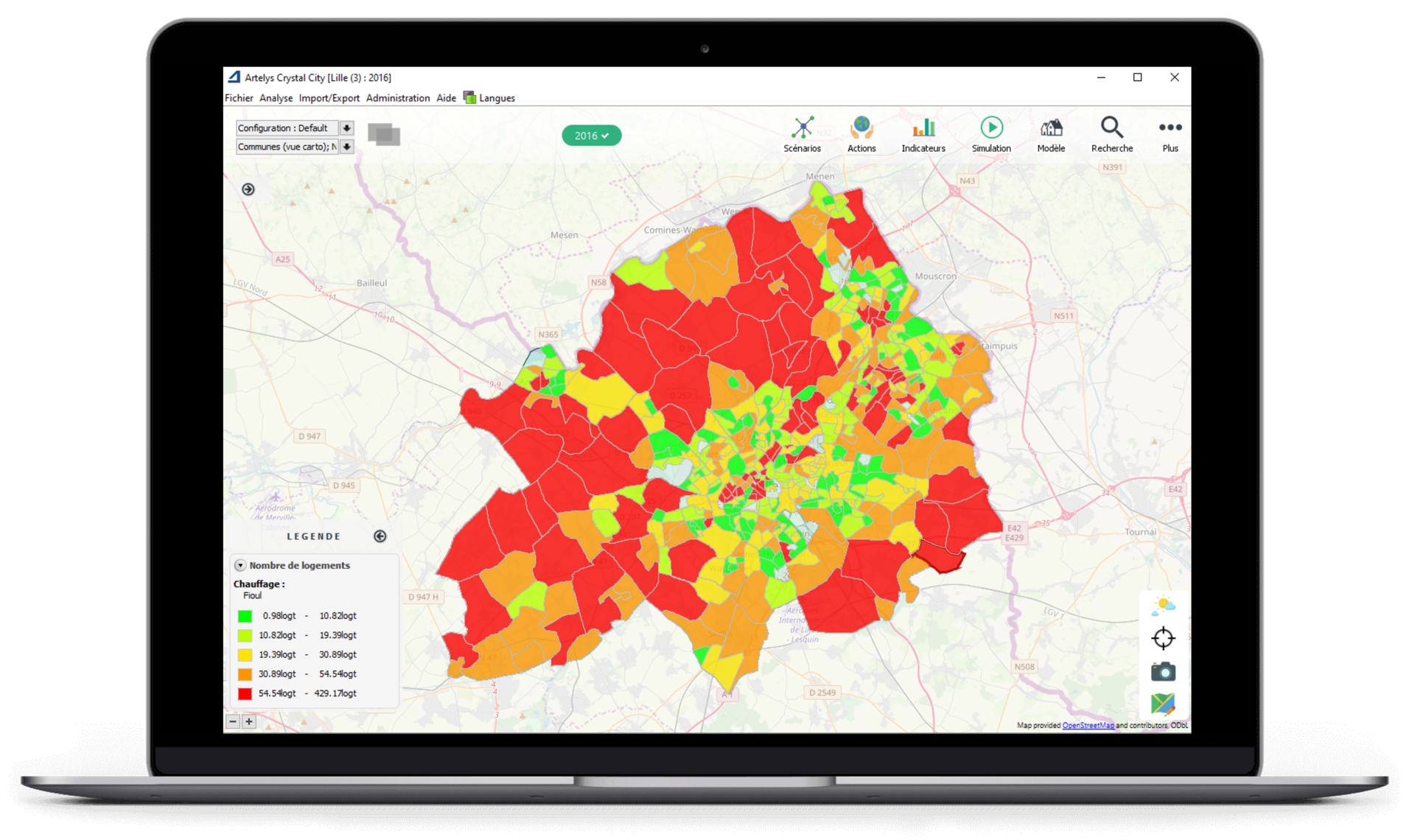

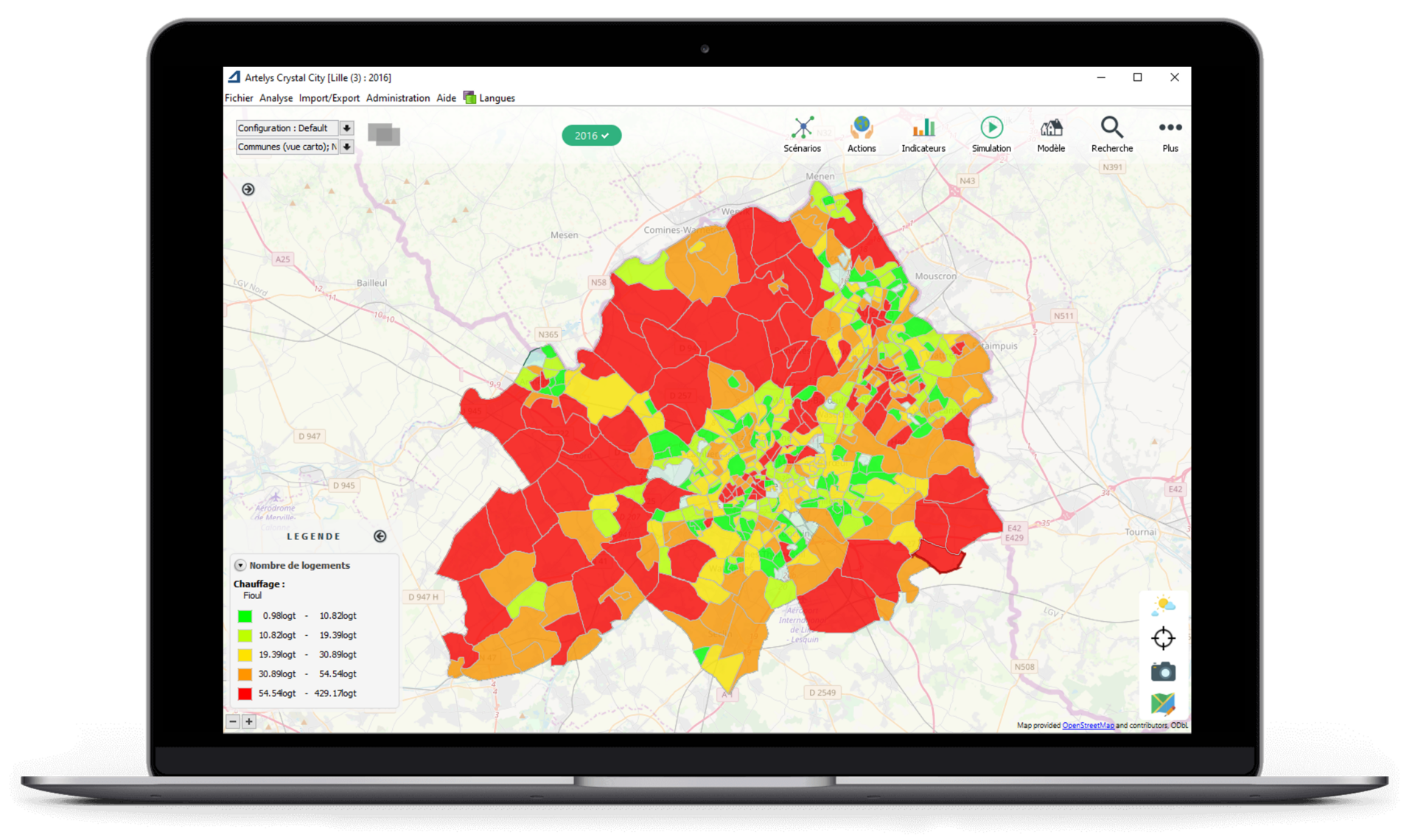
Decision support for territorial energy planning
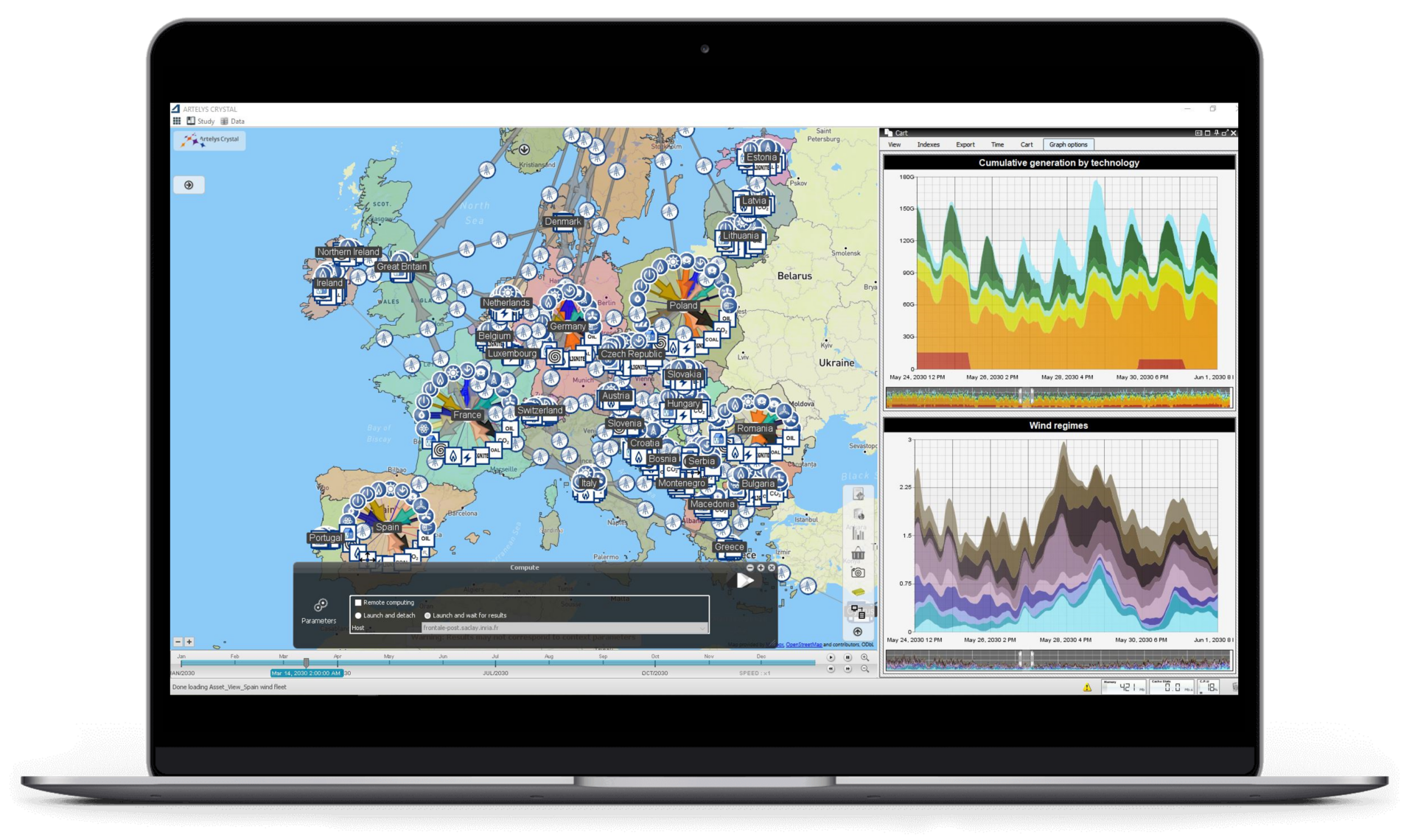
— Artelys Crystal City is the reference tool for territorial energy planning. Its intuitive interface and advanced functions make it the ideal conductor to carry out the energy transition in the territories.
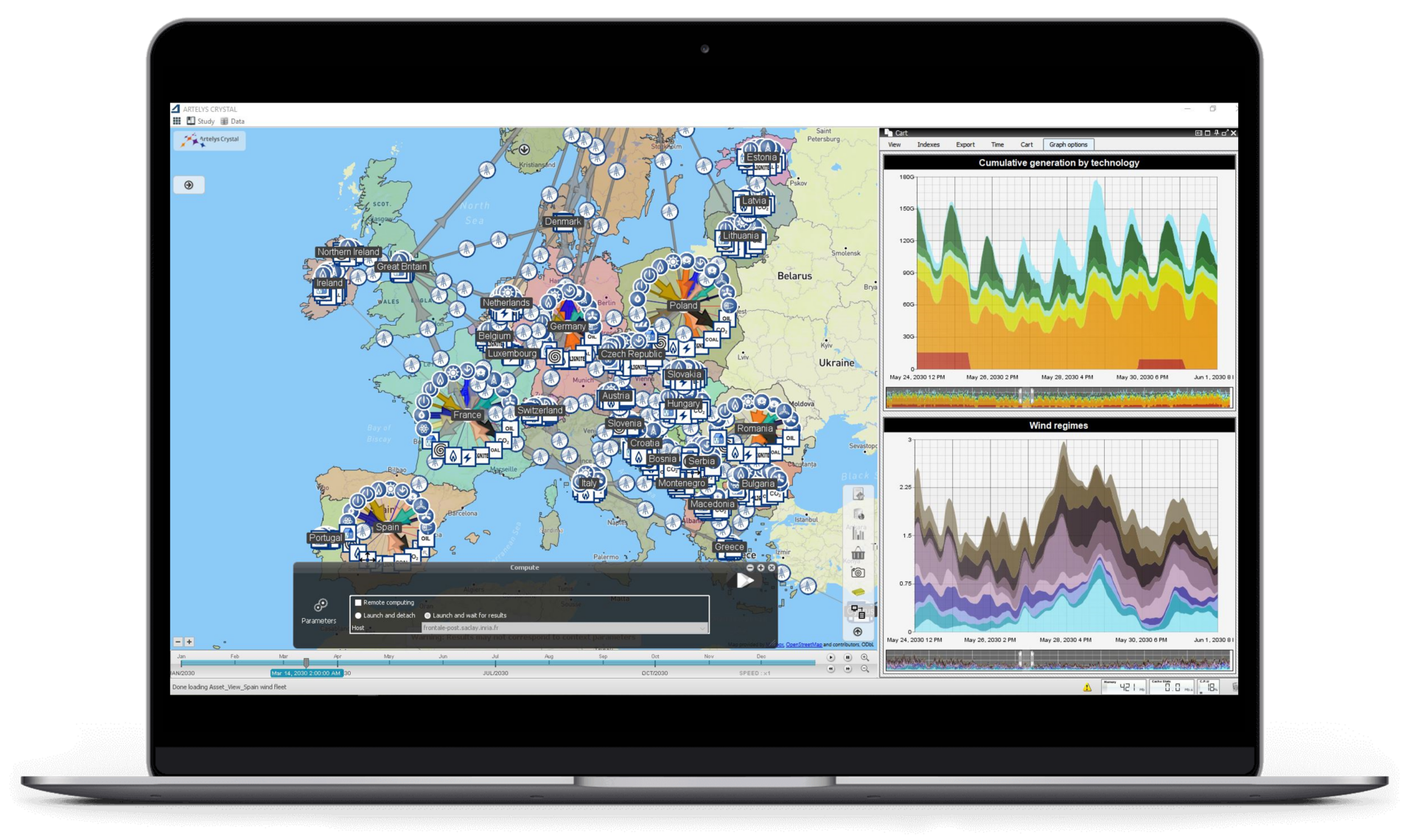

Optimization of interconnected systems
— Artelys Crystal Super Grid provides the quantitative elements to evaluate the costs and benefits of an energy strategy and to optimize it.
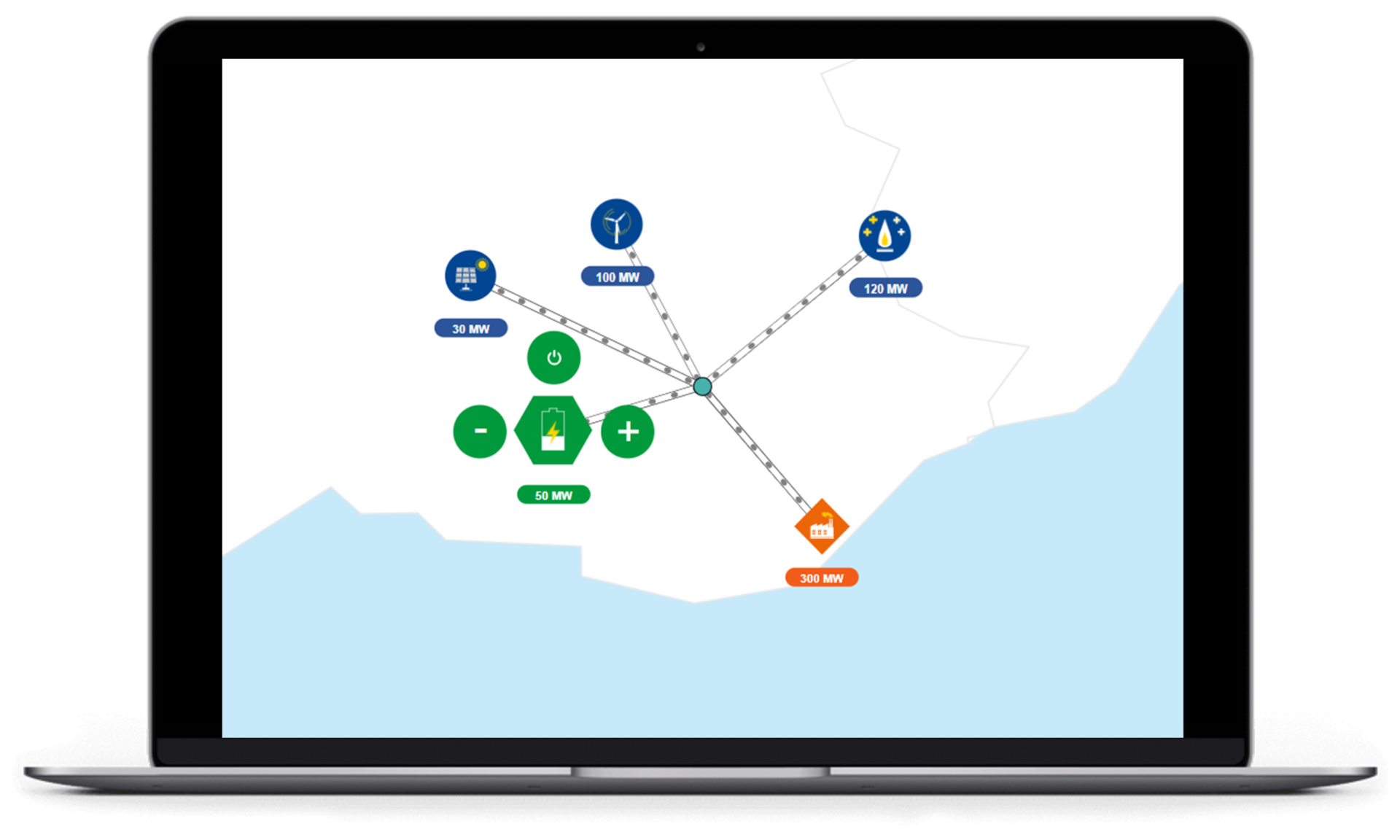

A digital twin to gain insights into the role of networks in the energy transition
— Energy infrastructures are the key to ensure the proper performance of the system. Once the production is settled, network management raises many complex issues in order to guarantee the efficient distribution of energy.
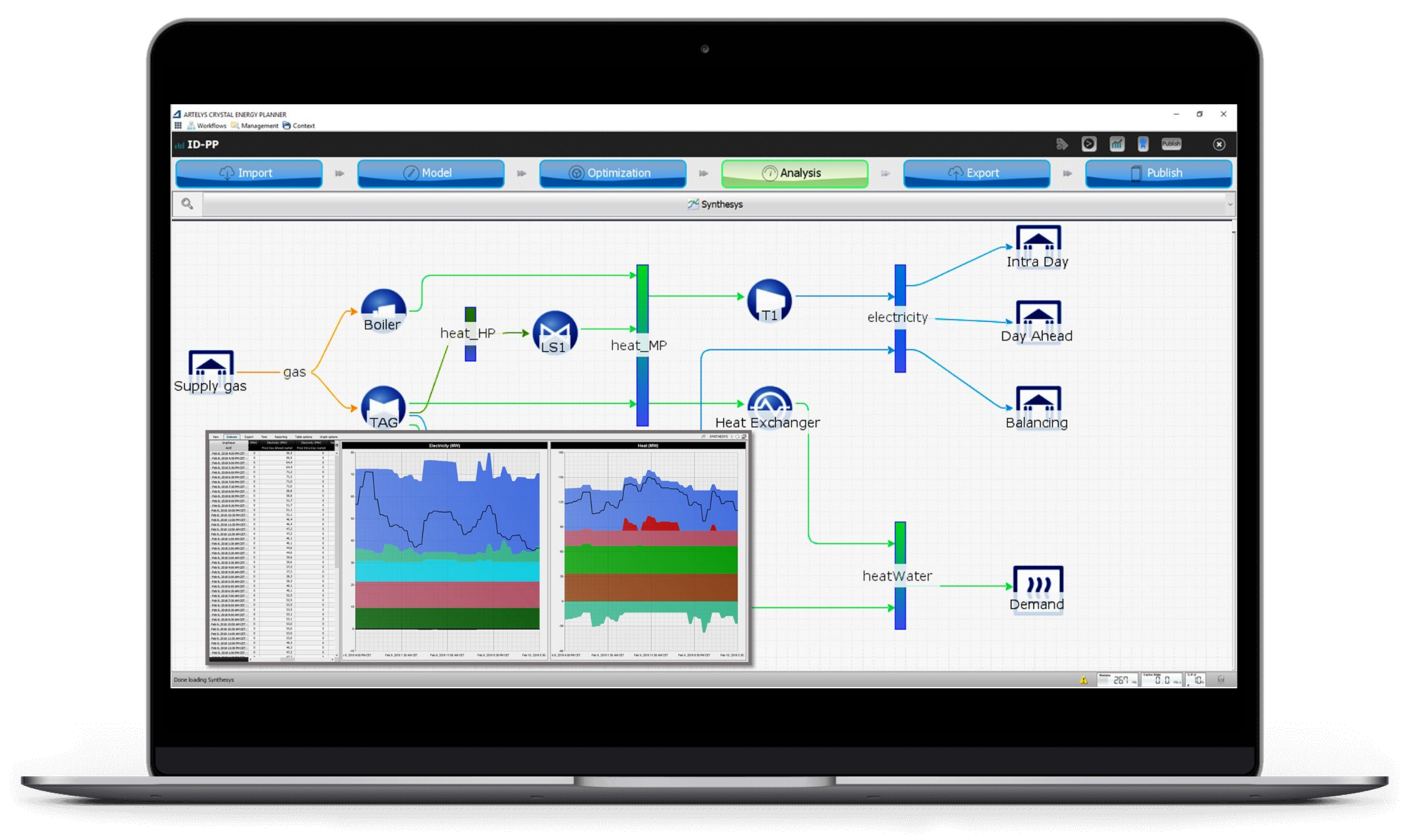

Operational management in short and medium term
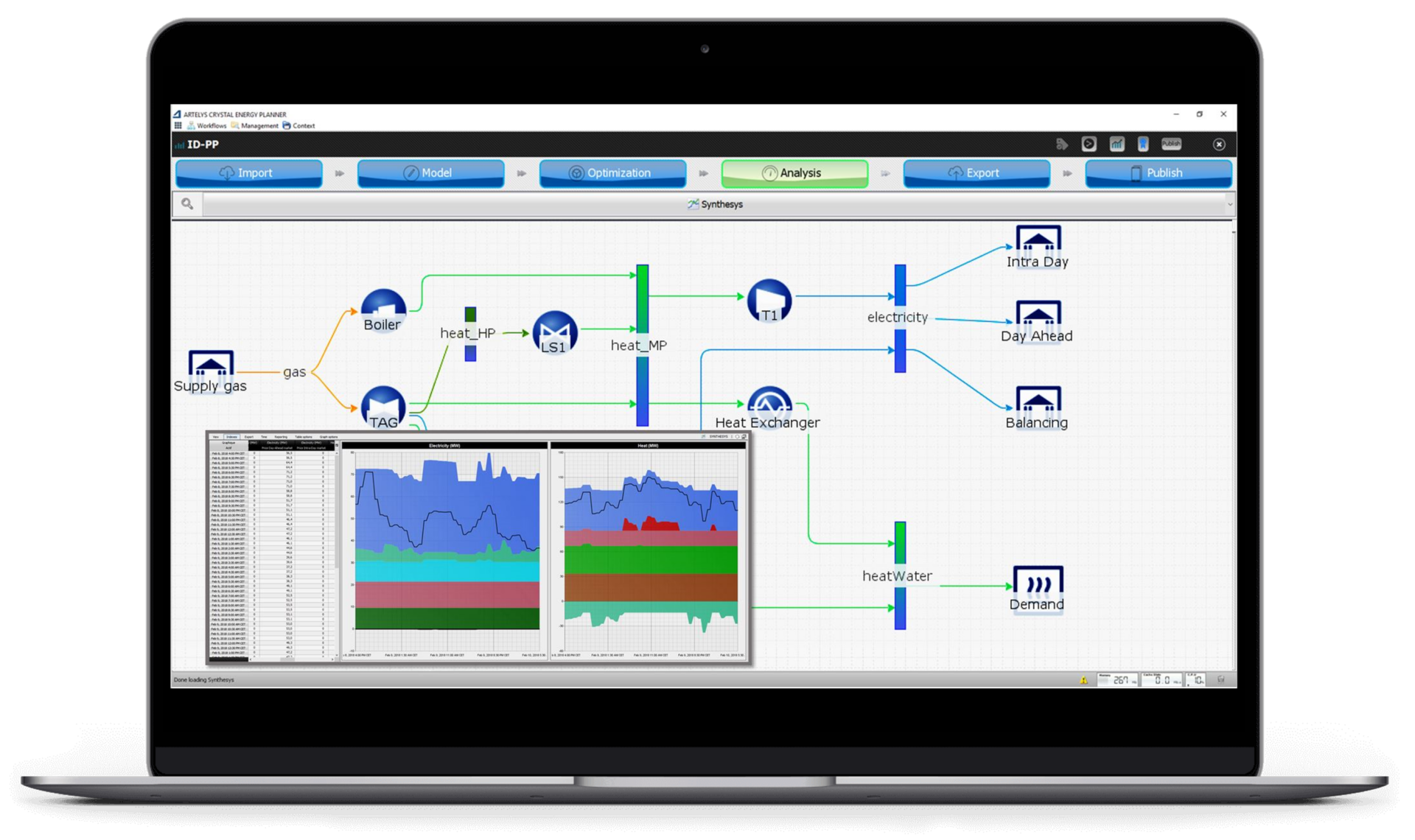
— Artelys Crystal Energy Planner optimizes the short- and medium-term operational management of energy production assets. Operational planning, simplified and more reliable, becomes more competitive.
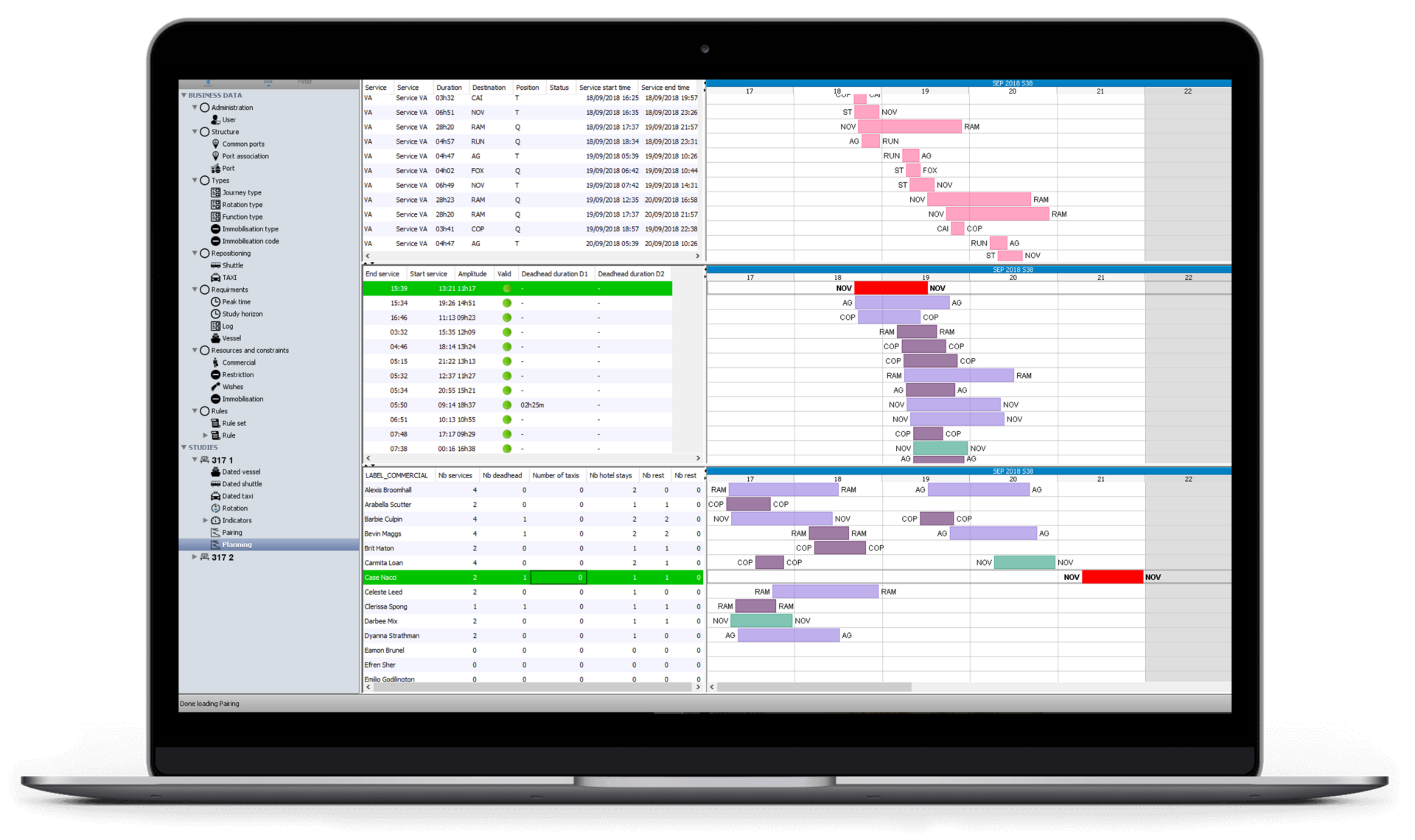
Plan your activities and resources under constraints
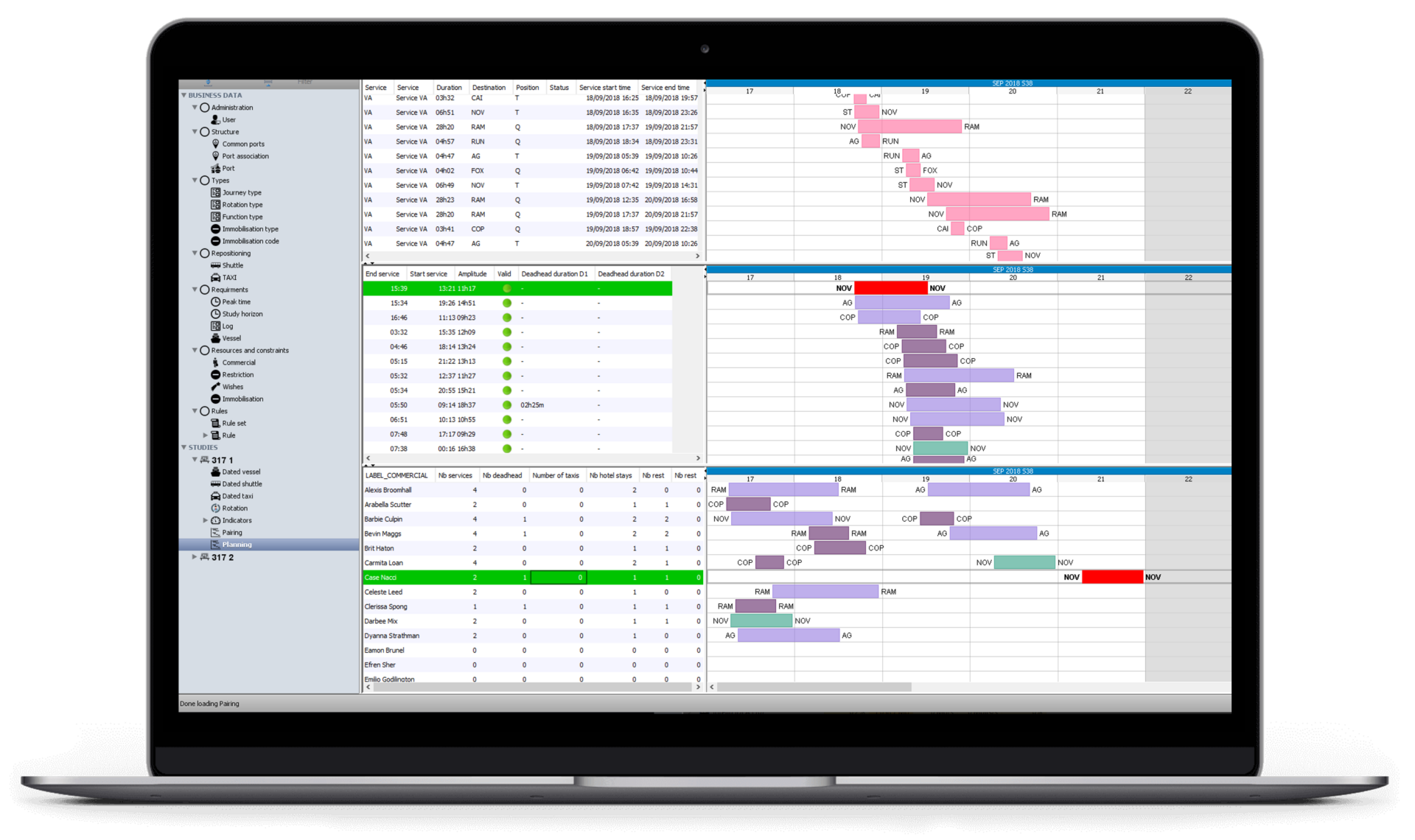
— Resource planning is a central issue for businesses to improve cost management, productivity and quality of service for the end customer.
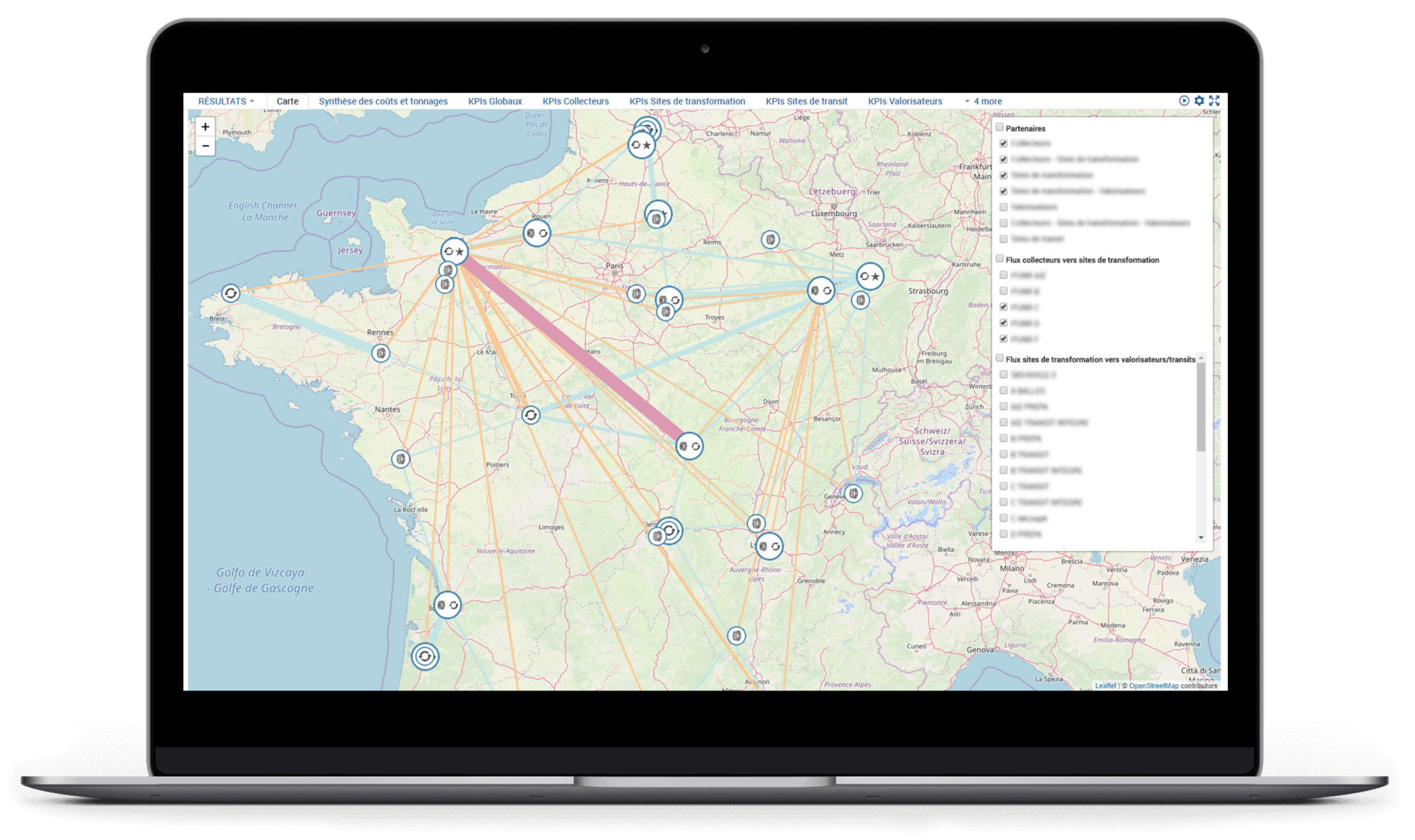

Optimize your logistics flows
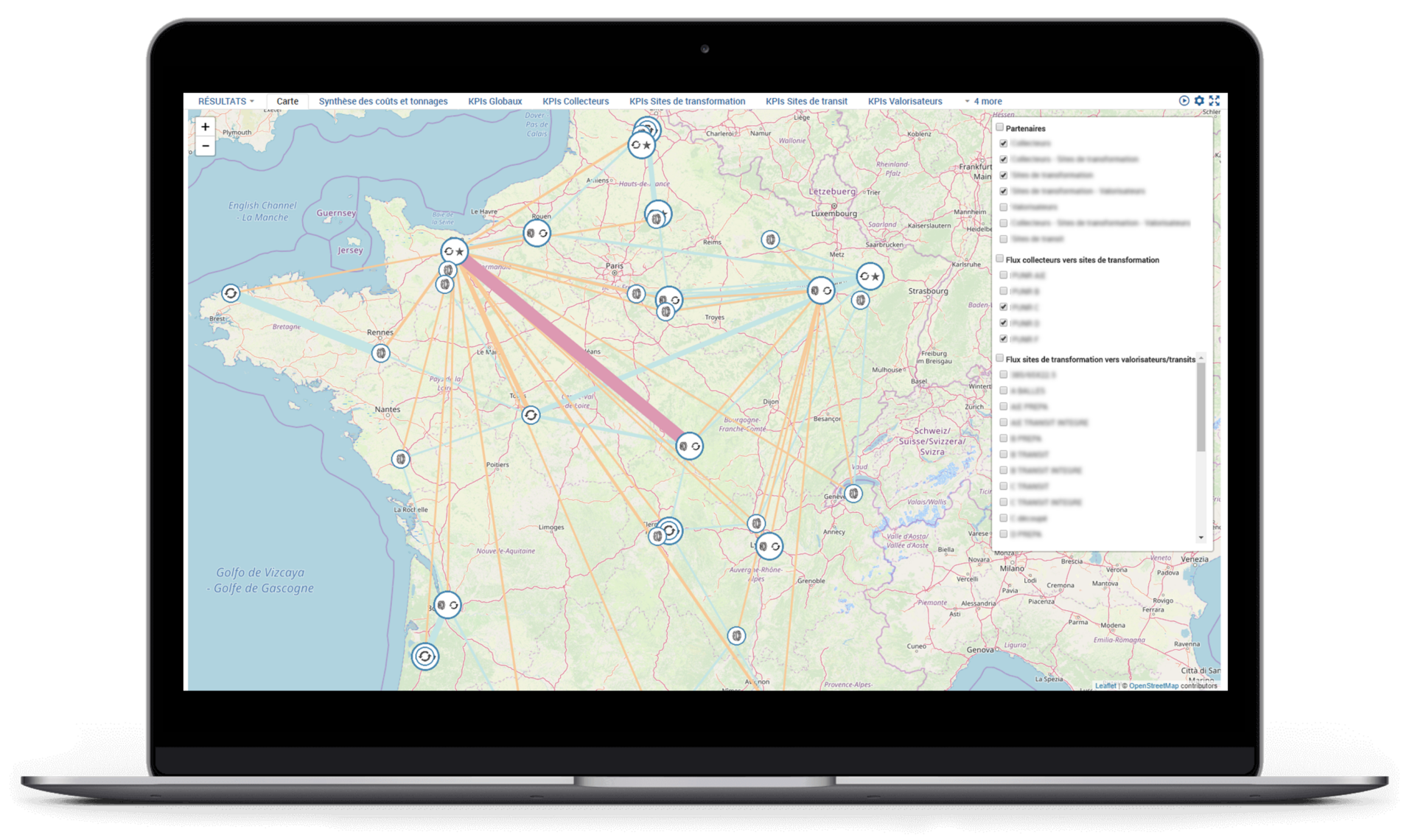
— Artelys Crystal Network Designer is a software solution dedicated to the optimization, sizing and analysis of logistics networks. It allows you to reduce your logistics costs as a whole, anticipate and manage your flows at different horizons as well as simulate scenarios on your network: from resizing to operational risk.
City
Super Grid
Energy Explorer
Energy Planner
Resource Optimizer
Network Designer
Decision support for territorial energy planning
— Artelys Crystal City is the reference tool for territorial energy planning. Its intuitive interface and advanced functions make it the ideal conductor to carry out the energy transition in the territories.
Optimization of interconnected systems
— Artelys Crystal Super Grid provides the quantitative elements to evaluate the costs and benefits of an energy strategy and to optimize it.
Operational management in short and medium term
— Artelys Crystal Energy Planner optimizes the short- and medium-term operational management of energy production assets. Operational planning, simplified and more reliable, becomes more competitive.

The best of statistical forecasting for your trades
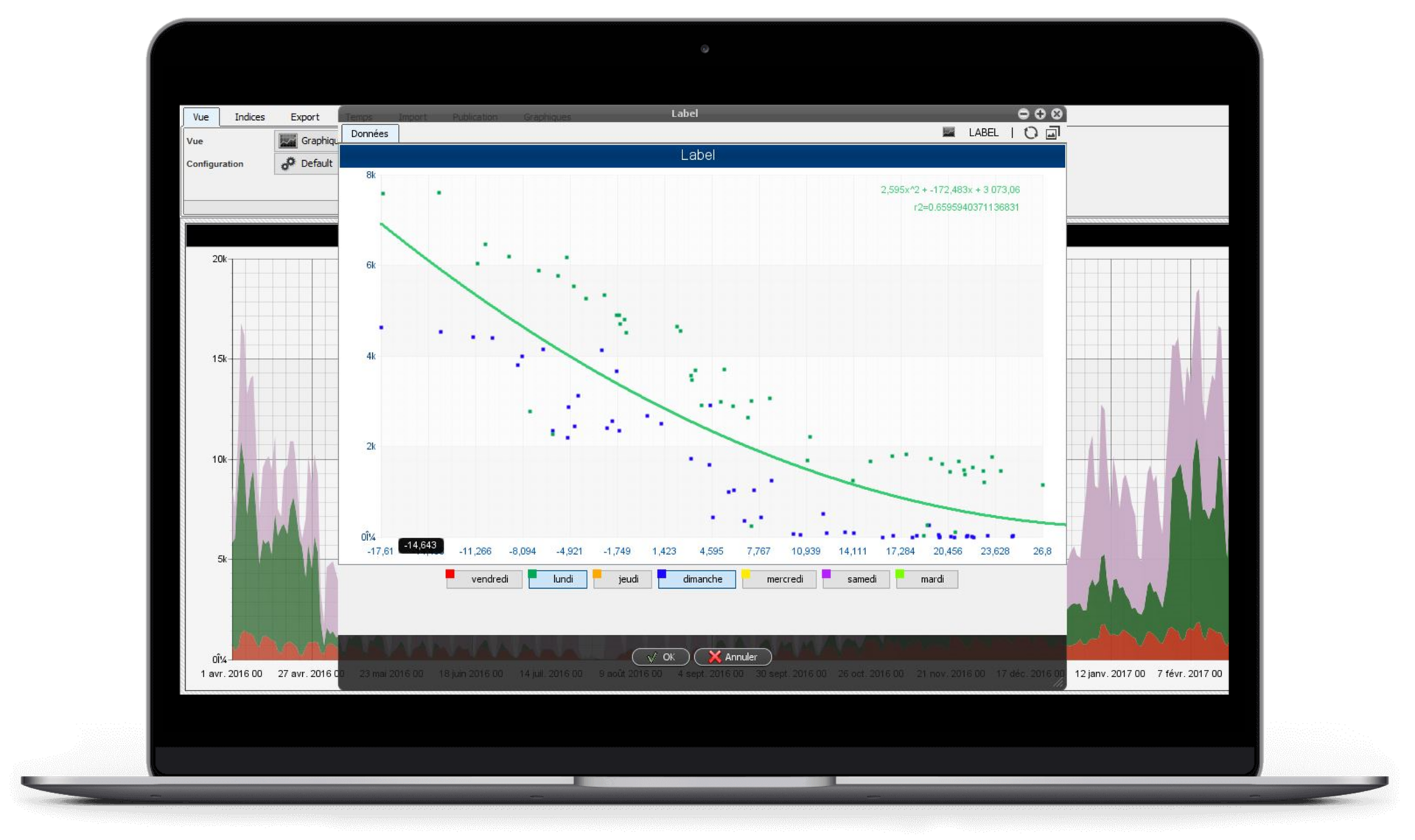
— Artelys Crystal Forecast allows you to generate forecasts or scenarios of extreme reliability on short, medium and long term horizons to cover both your operational management needs and strategic planning.
Plan your activities and resources under constraints
— Resource planning is a central issue for businesses to improve cost management, productivity and quality of service for the end customer.
Optimize your logistics flows
— Artelys Crystal Network Designer is a software solution dedicated to the optimization, sizing and analysis of logistics networks. It allows you to reduce your logistics costs as a whole, anticipate and manage your flows at different horizons as well as simulate scenarios on your network: from resizing to operational risk.

Decision support for territorial energy planning
— Artelys Crystal City is the reference tool for territorial energy planning. Its intuitive interface and advanced functions make it the ideal conductor to carry out the energy transition in the territories.

Optimization of interconnected systems
— Artelys Crystal Super Grid provides the quantitative elements to evaluate the costs and benefits of an energy strategy and to optimize it.

Operational management in short and medium term
— Artelys Crystal Energy Planner optimizes the short- and medium-term operational management of energy production assets. Operational planning, simplified and more reliable, becomes more competitive.

The best of statistical forecasting for your trades
— Artelys Crystal Forecast allows you to generate forecasts or scenarios of extreme reliability on short, medium and long term horizons to cover both your operational management needs and strategic planning.

Plan your activities and resources under constraints
— Resource planning is a central issue for businesses to improve cost management, productivity and quality of service for the end customer.

Optimize your logistics flows
— Artelys Crystal Network Designer is a software solution dedicated to the optimization, sizing and analysis of logistics networks. It allows you to reduce your logistics costs as a whole, anticipate and manage your flows at different horizons as well as simulate scenarios on your network: from resizing to operational risk.

Numerical components that give you a head start
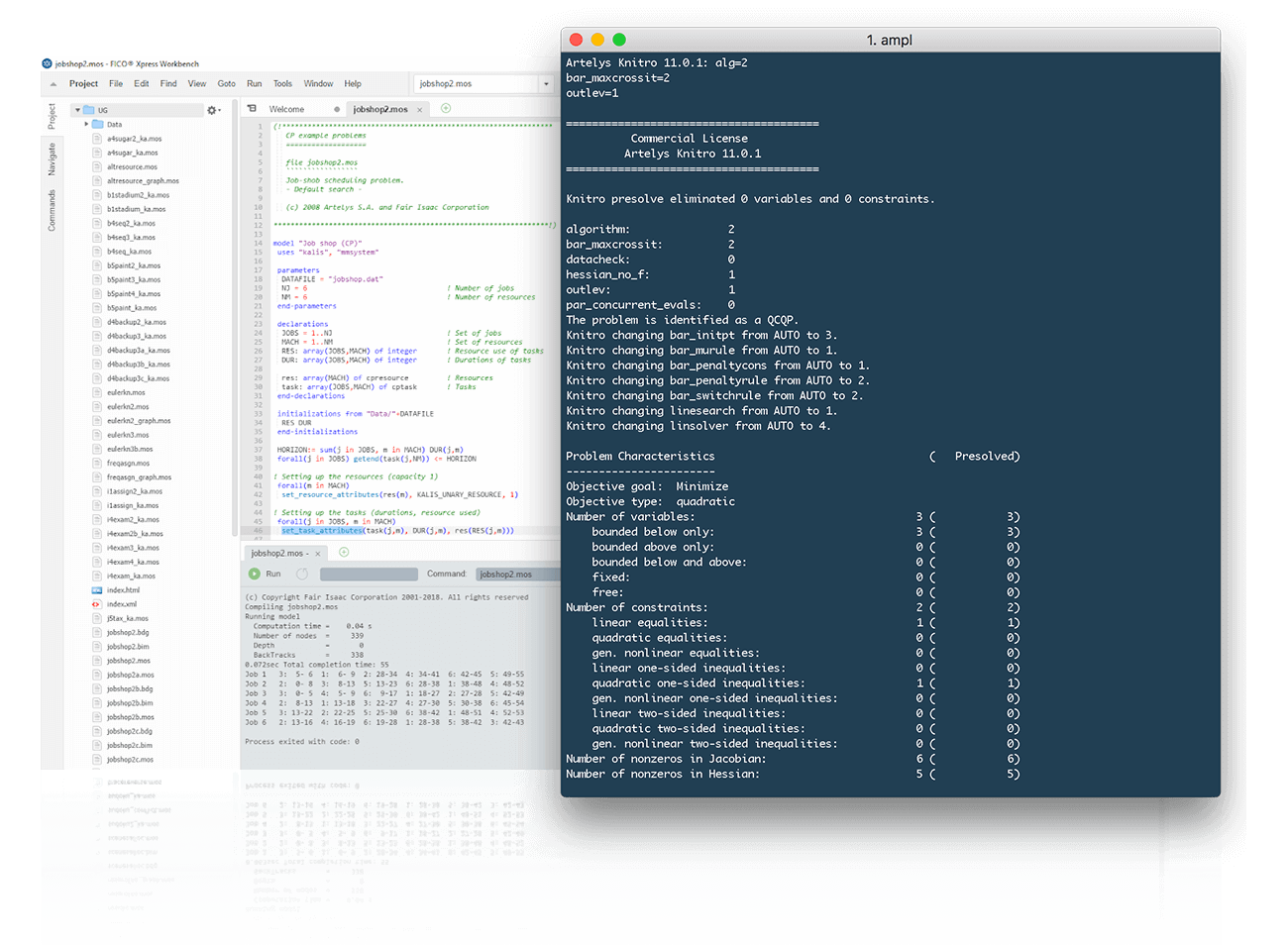
— Whether it is to model the complex problems that our customers are submitting to us or to provide the Artelys Crystal suite with the most powerful optimization engine, we rely on the most advanced mathematical programming tools in their respective fields.


Numerical components that give you a head start
— Whether it is to model the complex problems that our customers are submitting to us or to provide the Artelys Crystal suite with the most powerful optimization engine, we rely on the most advanced mathematical programming tools in their respective fields.


reports
— Discover the results of the technico-economic studies carried out on behalf of our customers using the modeling platform Artelys Crystal.
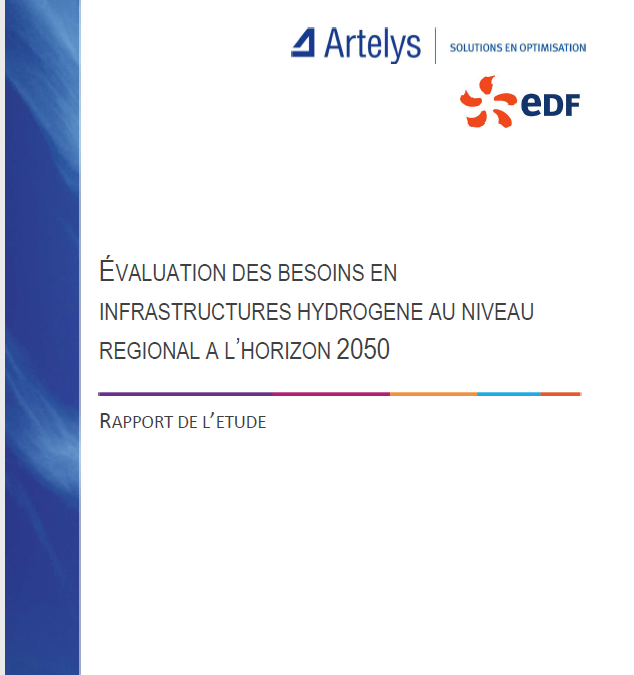
Assessment of hydrogen infrastructure needs at the regional level by 2050
This study, carried out by Artelys on behalf of Electricité de France (EDF), aims to analyse the needs for hydrogen production, storage and inter-regional transport infrastructures in France by 2050. The analysis was carried out using a regional-scale model of the French energy system using Artelys Crystal Super Grid software, which combines economic optimisation of investments with hourly simulation of the electricity-hydrogen system. Four scenarios incorporating various assumptions about hydrogen demand volumes, the electricity mix, and the impact of hydrogen volumes transiting through France were modelled. The study shows that the development of hydrogen storage offers economic benefits by allowing a flexible operation of electrolysers. The scenarios assuming hydrogen transit from Spain to Germany (or even Belgium, depending on the assumptions) show a hydrogen system structure based around a hydrogen transit backbone (resulting from exogenous transit constraints) developing along the South-East/North-East axis, with significant geological storage capacities developing in the PACA and Auvergne-Rhône-Alpes regions. However, only the scenarios assuming the highest demand for hydrogen show significant development of an inter-regional hydrogen network beyond this backbone.
Decarbonisation pathways for Southeast Asia
Artelys and its partners Fraunhofer ISI has been selected by GIZ to undertake a study on the key options for decarbonisation of energy use in Southeast Asia. This report assesses the current use of fossil fuels in the region and its evolution perspectives, with a particular focus on fossil gas and related infrastructure elements. The study then proceeds with the evaluation of the options to decarbonise energy use across the power system, industry, transport, and residential sectors in Southeast Asia, highlighting the specific challenges for the region.
Assessing hydrogen infrastructure needs in a scenario without hydrogen imports and EU production
In a context of renewed interest in hydrogen as a means of decarbonising hard-to-abate carbon intensive economic sectors, the European Commission announced the objective of 40 GW electrolyser capacity by 2030 producing up to 5 Mt of renewable hydrogen in its Communication “A hydrogen strategy for a climate-neutral Europe” (2020). Following the Russian invasion into Ukraine, the European Commission’s REPowerEU plan (2022) further envisages an accelerated uptake of hydrogen, notably in transport and industry sectors, in order to aim for a phase-out of natural gas imports from Russia by 2027, increasing the hydrogen production target to 10 Mt, as well as 10 Mt hydrogen imports, of which 4 Mt will take the form of derivatives. The present study aims at assessing the needs for pan-European hydrogen infrastructure in the beginning of the 2030s, adopting the REPowerEU scenario as main framework of the modelling assumptions. To assess hydrogen infrastructure needs, a multi-energy modelling environment has been designed in the METIS model, reflecting the operation and coupling of electricity, gas and hydrogen systems with an hourly time resolution over an entire year (2030). The capacities of hydrogen storage, production, and cross-border transmission assets have been optimized thanks to the advanced algorithms of the Artelys Crystal Super Grid platform.
Study on the allocation of costs and benefits for offshore infrastructure in EU sea basins
To support the European Commission, and notably its Grid Action Plan, this study proposes methodologies for Cost-Benefit Analysis and Cross-Border Cost Sharing options for offshore electricity infrastructure projects. The massive investments that are foreseen in offshore generation and grid infrastructure will create huge benefits for Europe. A fair allocation of costs and benefits across Member States can be a key enabler of such projects. Who should pay for the offshore electricity infrastructure? How does this depend on the way the benefits are shared? This study aims to provide some answers.
training
— Take advantage of the skills and experience acquired by Artelys consultants thanks to an original training offer, conceived as a real instrument for sharing knowledge.


subscribe to our newsletters


© ARTELYS • All rights reserved • Legal mentions