


all your optimization solutions
Put mathematical programming and artificial intelligence at the service of efficiency
news
Join us at the METIS 3 dissemination event organized by Artelys!
— Artelys is thrilled to invite you to the METIS 3 Dissemination Event taking place on 17 April. During this online event, we will present the latest results of the METIS project and discuss the benefits of using advanced multi-energy modelling solutions such as METIS for energy and climate policymaking.
Artelys Knitro 14: new release of our nonlinear optimization solver
— We are pleased to announce that Artelys Knitro 14.0 is now available! This new version enables compagnies to solve complex non-linear optimization problems with unprecedented efficency and precision.
Artelys to participate in the demonstration of digital twins for optimal grid and market actions in Europe
— Artelys is involved in the three-year Horizon Europe project TwinEU, which aims to create a digital twin of the entire European electricity grid with a unique consortium bringing together grid and market operators, research entities and technology providers.
solutions
— Relying on their high level of expertise in quantitative methods, our consultants deliver efficient solutions to complex business problems that best meet the needs of our clients.

Strong skills in Operational Research, Modeling and Decision Support

Recognized know-how in scientific consulting and project management

A business experience of energy, transport and logistics issues

Mastery of methods and tools for numerical optimization and statistical analysis

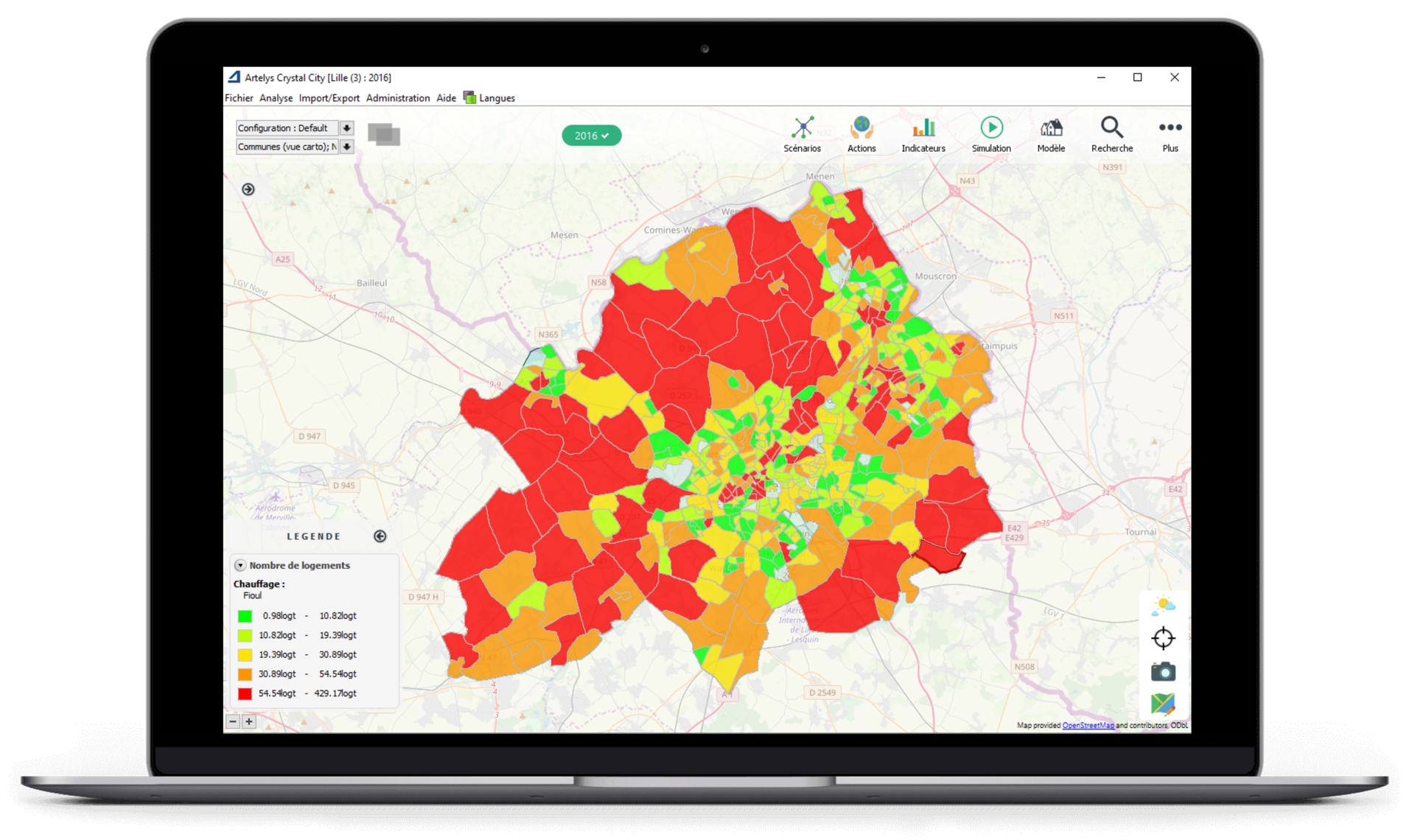

Decision support for territorial energy planning
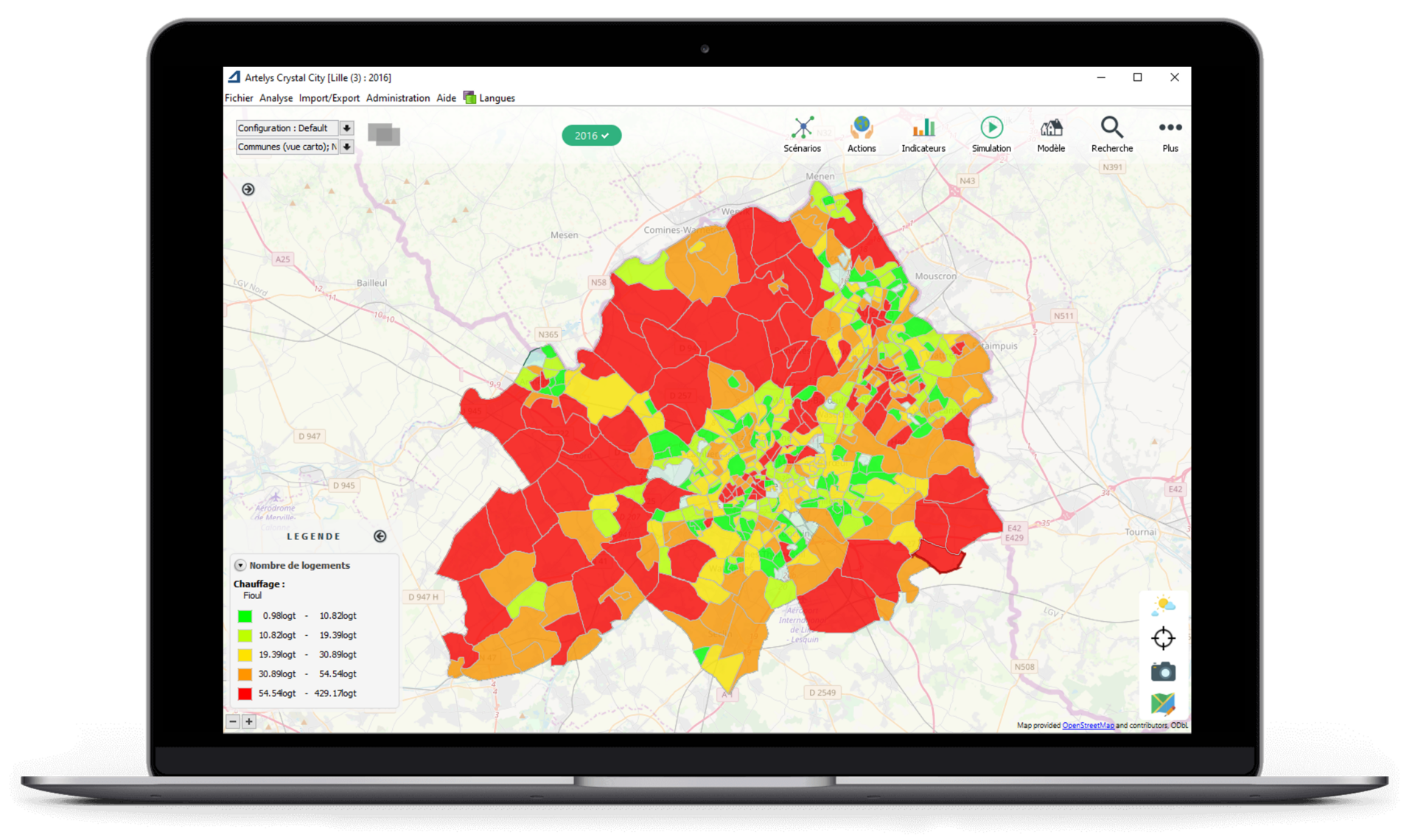
— Artelys Crystal City is the reference tool for territorial energy planning. Its intuitive interface and advanced functions make it the ideal conductor to carry out the energy transition in the territories.
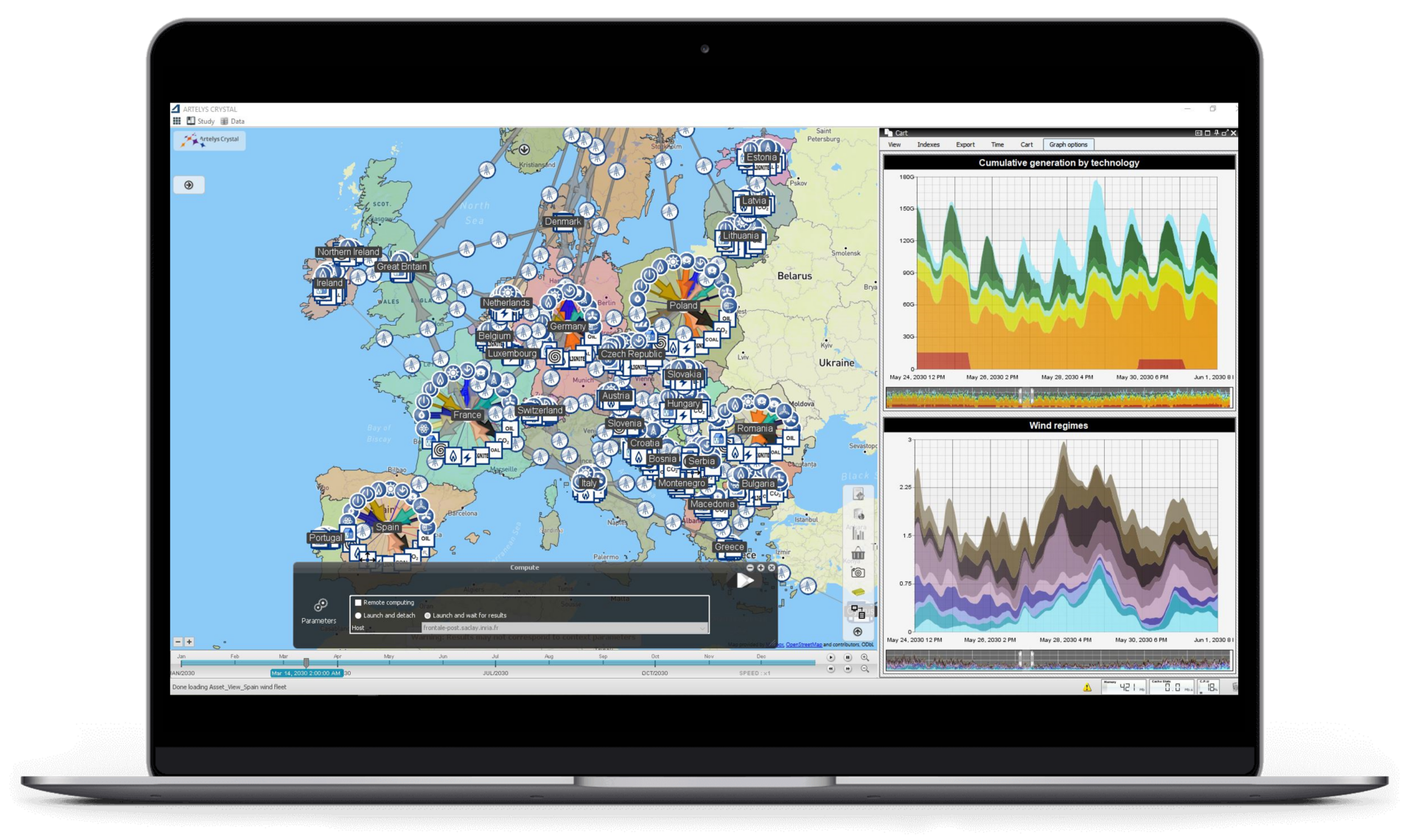

Optimization of interconnected systems
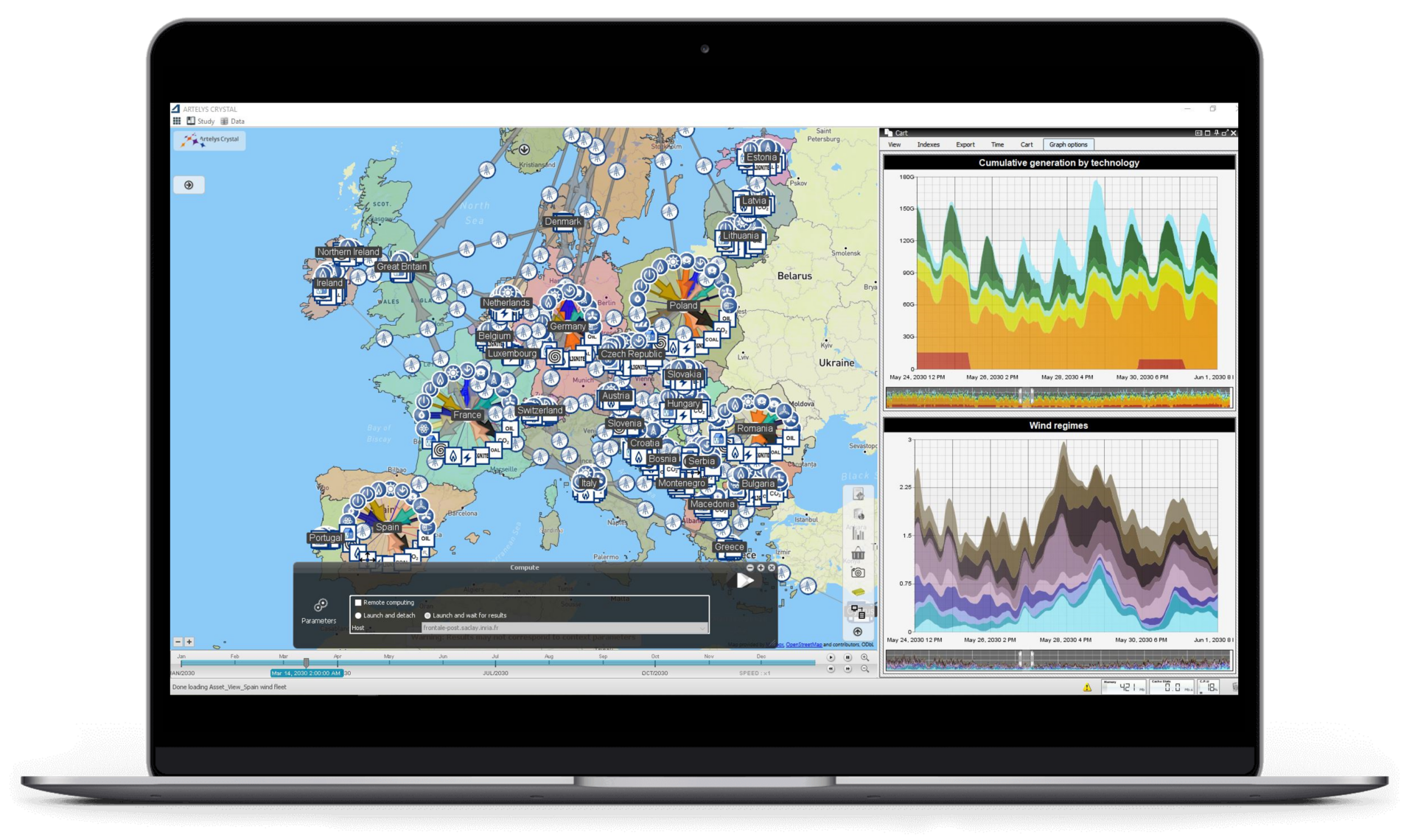
— Artelys Crystal Super Grid provides the quantitative elements to evaluate the costs and benefits of an energy strategy and to optimize it.
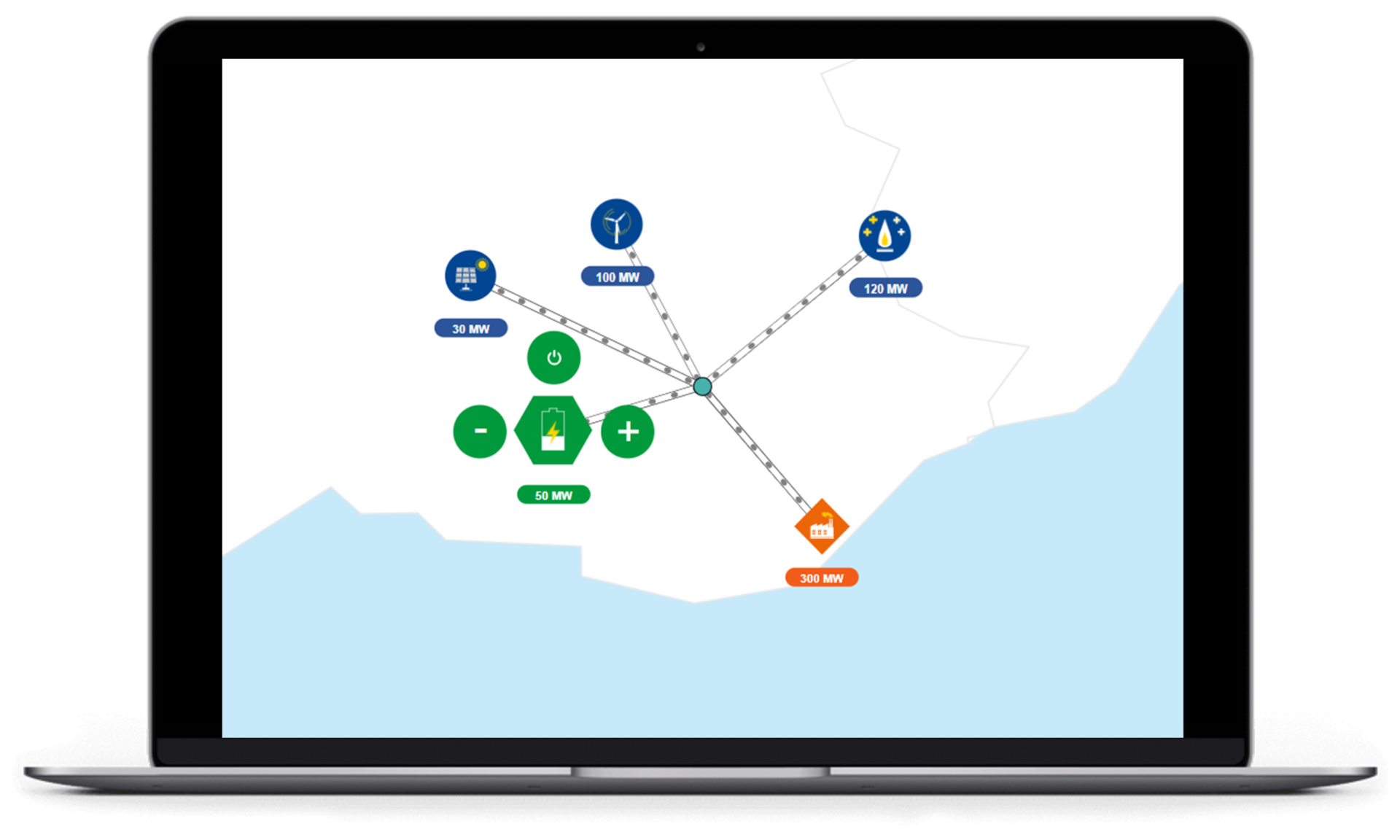

A digital twin to gain insights into the role of networks in the energy transition
— Energy infrastructures are the key to ensure the proper performance of the system. Once the production is settled, network management raises many complex issues in order to guarantee the efficient distribution of energy.
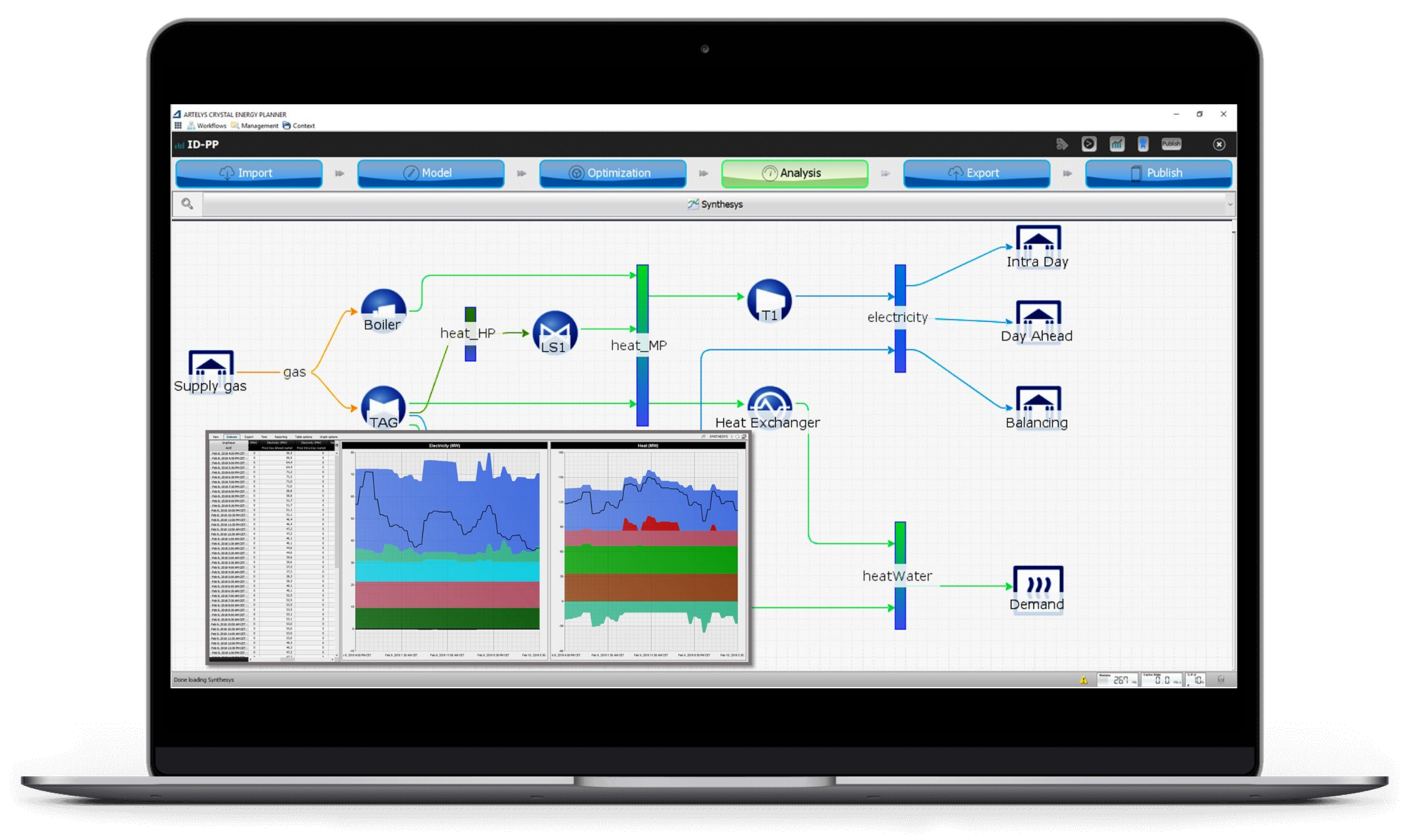

Operational management in short and medium term
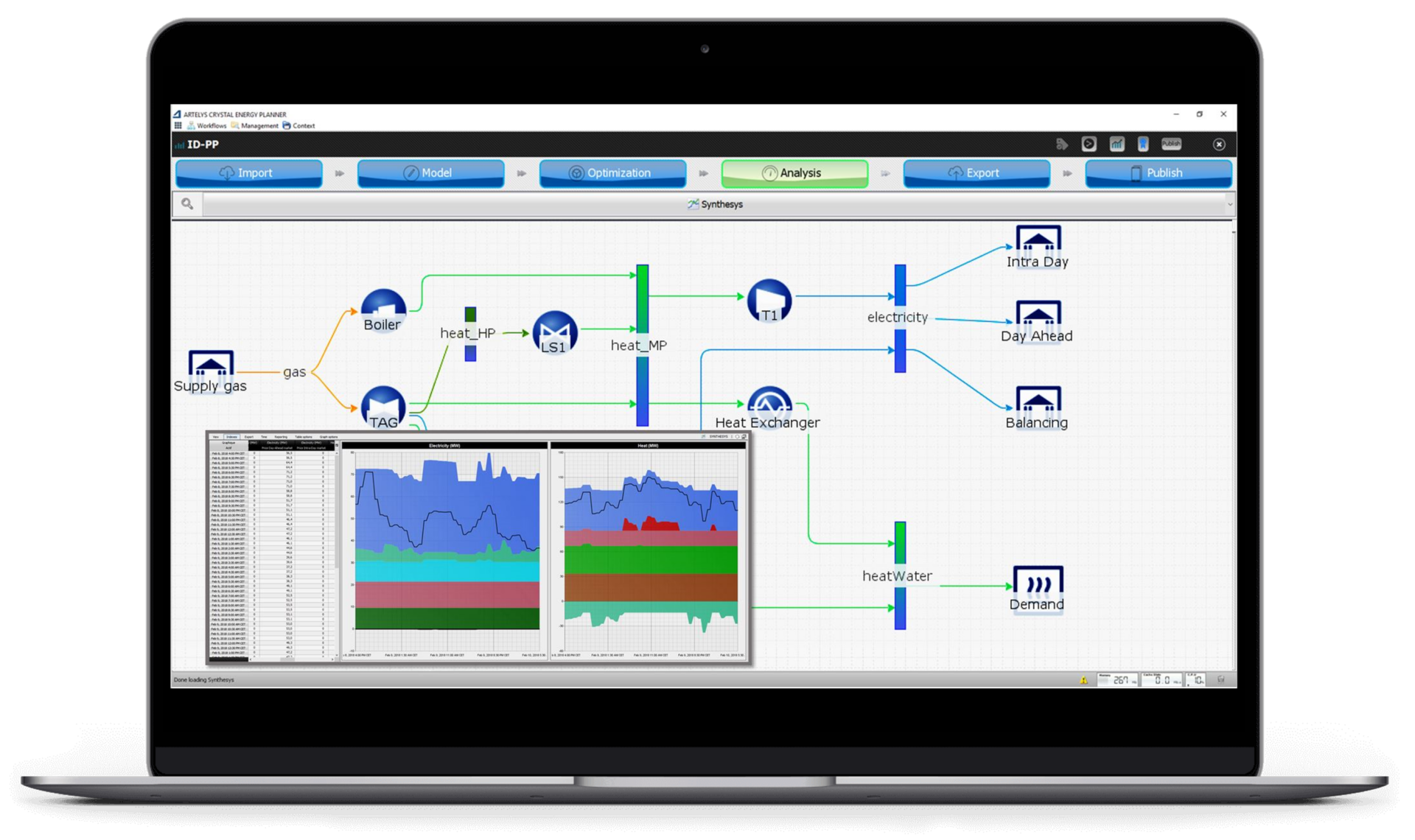
— Artelys Crystal Energy Planner optimizes the short- and medium-term operational management of energy production assets. Operational planning, simplified and more reliable, becomes more competitive.
Plan your activities and resources under constraints
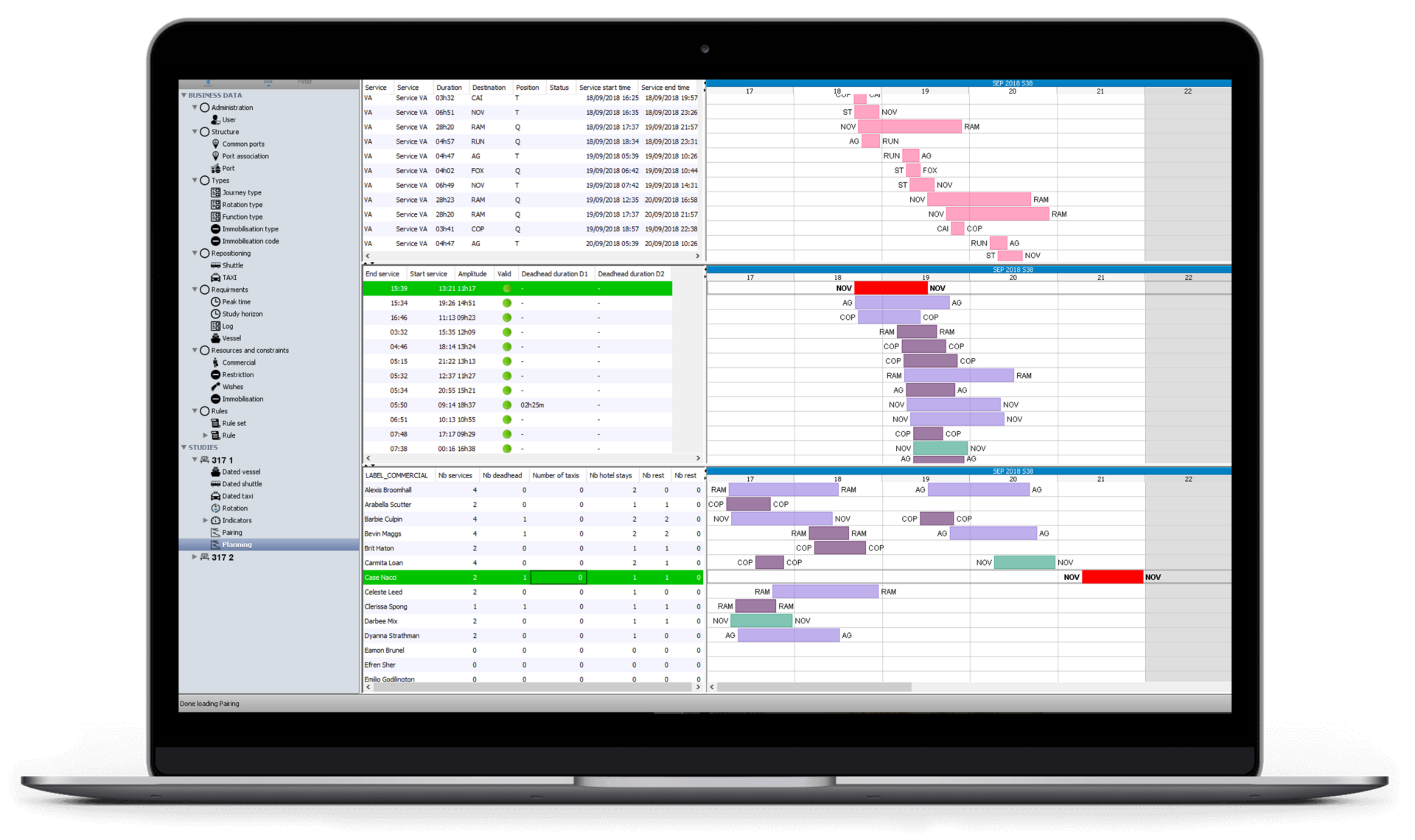
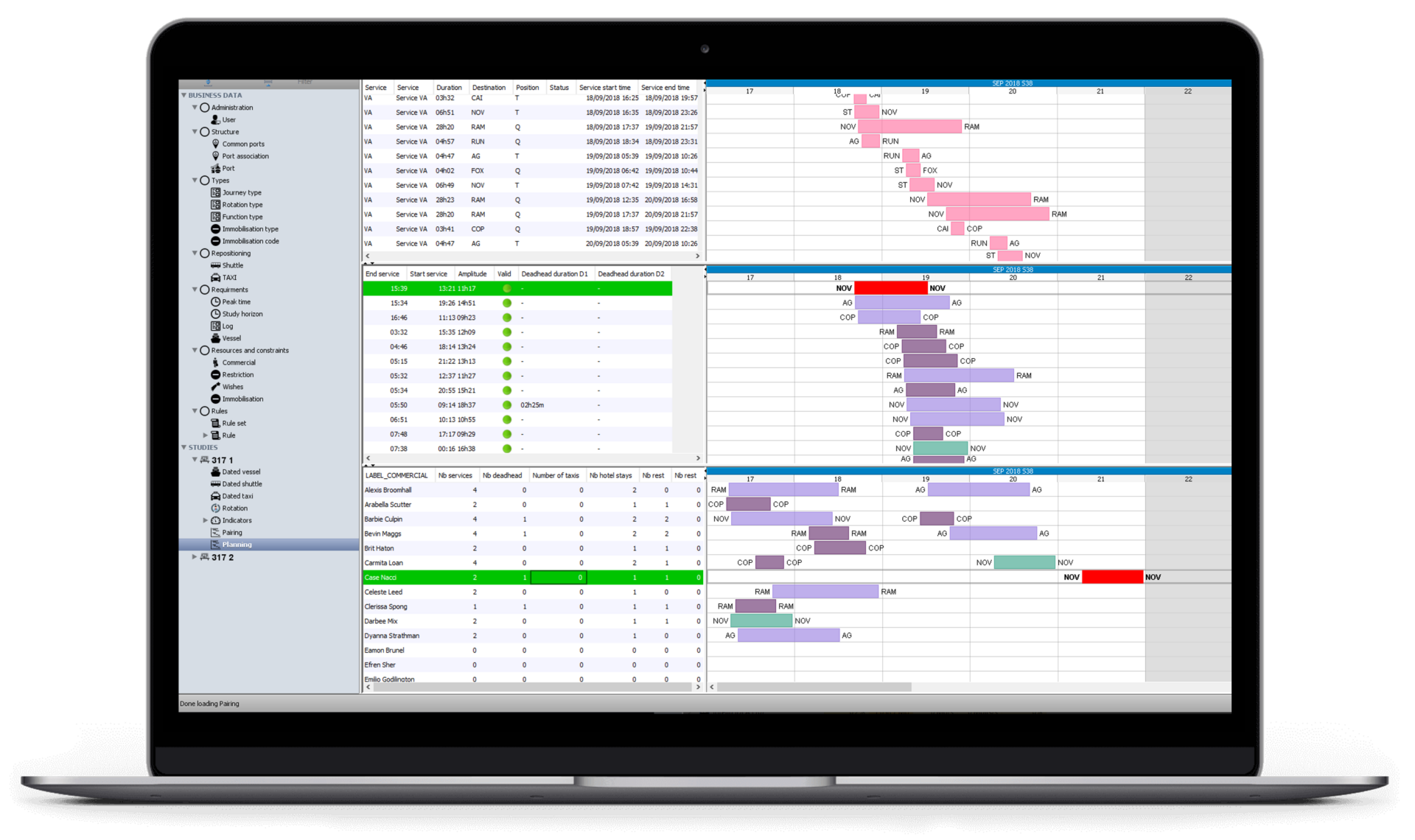
— Resource planning is a central issue for businesses to improve cost management, productivity and quality of service for the end customer.

Optimize your logistics flows
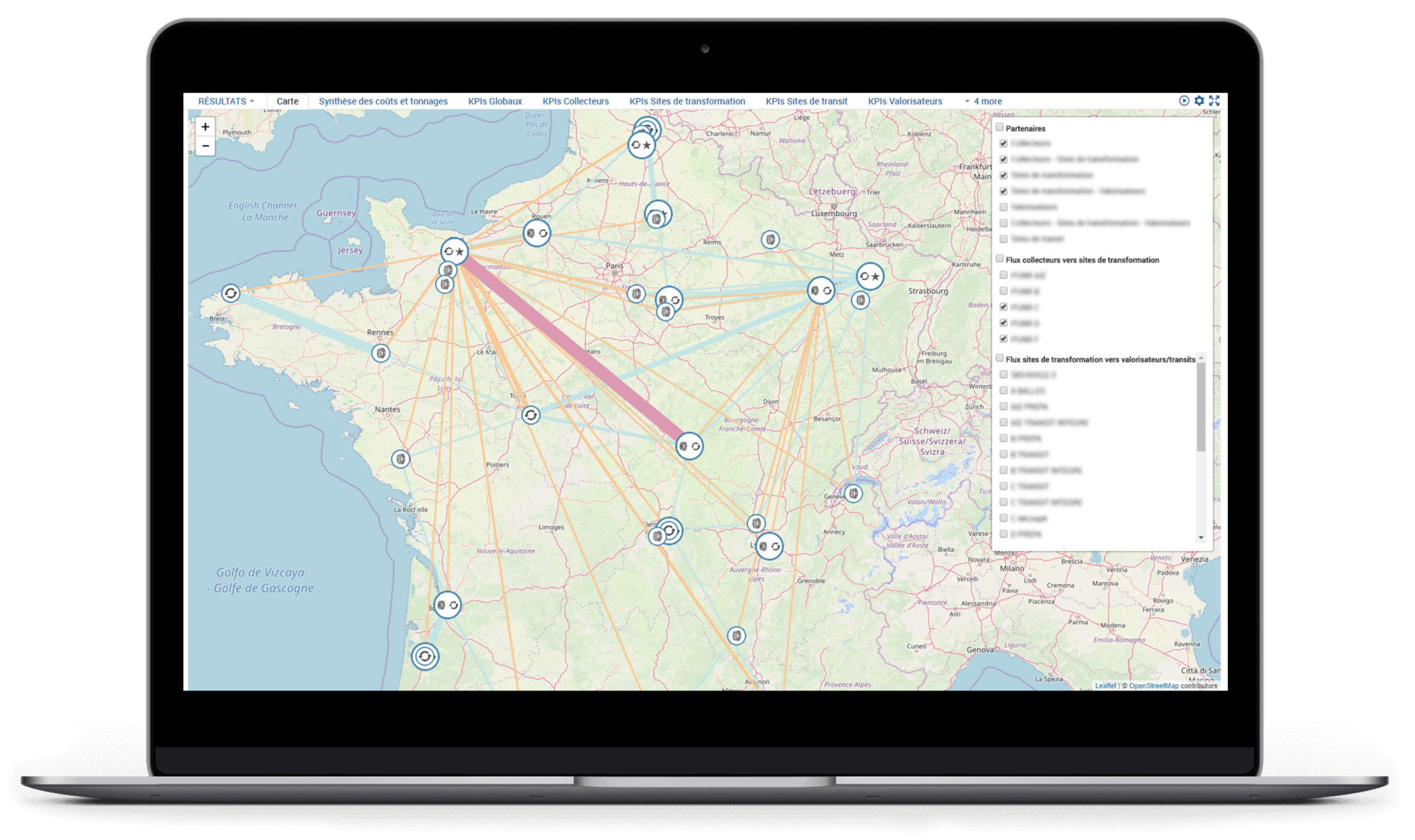
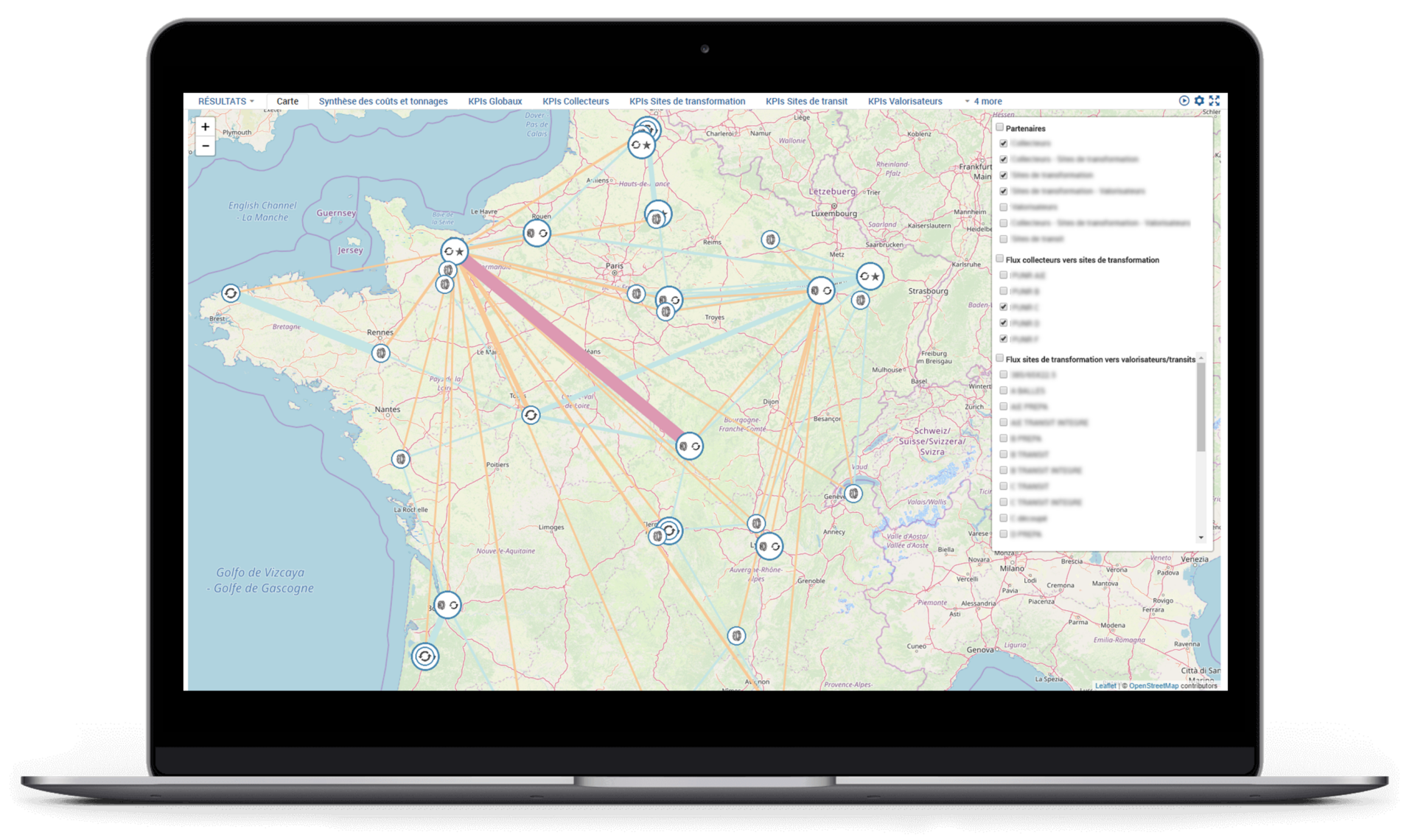
— Artelys Crystal Network Designer is a software solution dedicated to the optimization, sizing and analysis of logistics networks. It allows you to reduce your logistics costs as a whole, anticipate and manage your flows at different horizons as well as simulate scenarios on your network: from resizing to operational risk.
City
Super Grid
Energy Explorer
Energy Planner
Resource Optimizer
Network Designer
Decision support for territorial energy planning
— Artelys Crystal City is the reference tool for territorial energy planning. Its intuitive interface and advanced functions make it the ideal conductor to carry out the energy transition in the territories.
Optimization of interconnected systems
— Artelys Crystal Super Grid provides the quantitative elements to evaluate the costs and benefits of an energy strategy and to optimize it.
Operational management in short and medium term
— Artelys Crystal Energy Planner optimizes the short- and medium-term operational management of energy production assets. Operational planning, simplified and more reliable, becomes more competitive.

The best of statistical forecasting for your trades
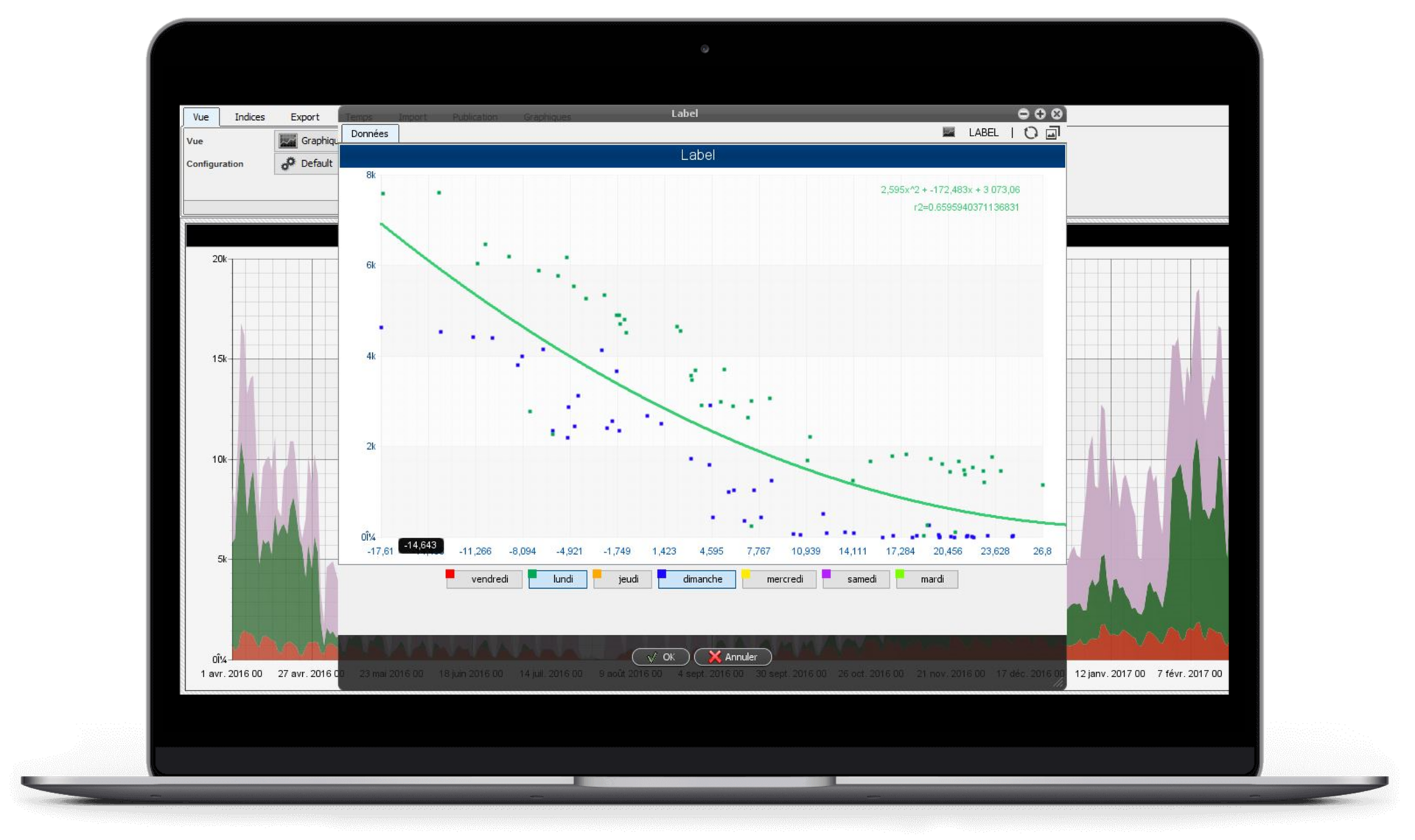
— Artelys Crystal Forecast allows you to generate forecasts or scenarios of extreme reliability on short, medium and long term horizons to cover both your operational management needs and strategic planning.
Plan your activities and resources under constraints
— Resource planning is a central issue for businesses to improve cost management, productivity and quality of service for the end customer.
Optimize your logistics flows
— Artelys Crystal Network Designer is a software solution dedicated to the optimization, sizing and analysis of logistics networks. It allows you to reduce your logistics costs as a whole, anticipate and manage your flows at different horizons as well as simulate scenarios on your network: from resizing to operational risk.

Decision support for territorial energy planning
— Artelys Crystal City is the reference tool for territorial energy planning. Its intuitive interface and advanced functions make it the ideal conductor to carry out the energy transition in the territories.

Optimization of interconnected systems
— Artelys Crystal Super Grid provides the quantitative elements to evaluate the costs and benefits of an energy strategy and to optimize it.

Operational management in short and medium term
— Artelys Crystal Energy Planner optimizes the short- and medium-term operational management of energy production assets. Operational planning, simplified and more reliable, becomes more competitive.

The best of statistical forecasting for your trades
— Artelys Crystal Forecast allows you to generate forecasts or scenarios of extreme reliability on short, medium and long term horizons to cover both your operational management needs and strategic planning.

Plan your activities and resources under constraints
— Resource planning is a central issue for businesses to improve cost management, productivity and quality of service for the end customer.

Optimize your logistics flows
— Artelys Crystal Network Designer is a software solution dedicated to the optimization, sizing and analysis of logistics networks. It allows you to reduce your logistics costs as a whole, anticipate and manage your flows at different horizons as well as simulate scenarios on your network: from resizing to operational risk.

Numerical components that give you a head start
— Whether it is to model the complex problems that our customers are submitting to us or to provide the Artelys Crystal suite with the most powerful optimization engine, we rely on the most advanced mathematical programming tools in their respective fields.


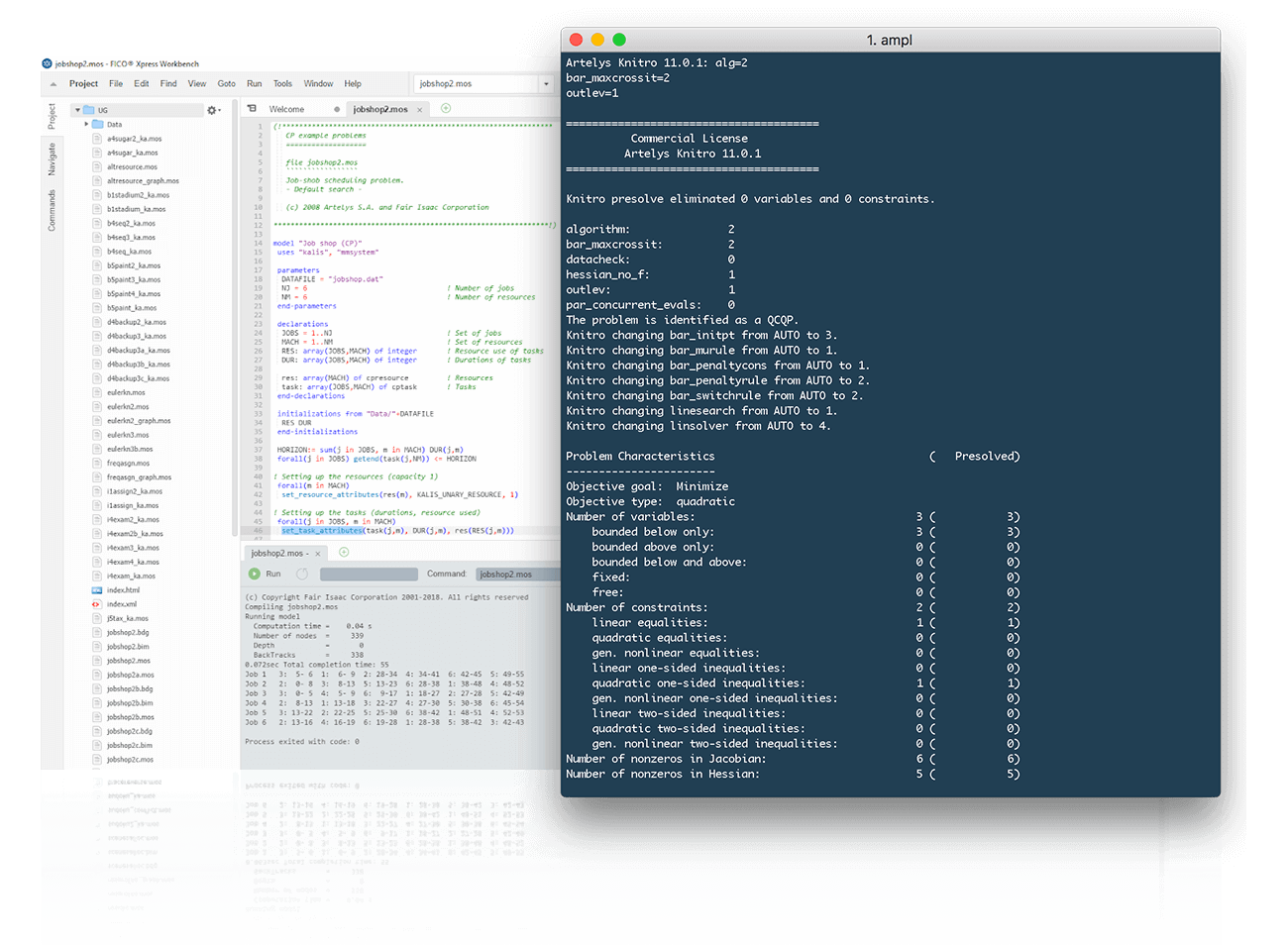
Numerical components that give you a head start
— Whether it is to model the complex problems that our customers are submitting to us or to provide the Artelys Crystal suite with the most powerful optimization engine, we rely on the most advanced mathematical programming tools in their respective fields.


reports
— Discover the results of the technico-economic studies carried out on behalf of our customers using the modeling platform Artelys Crystal.
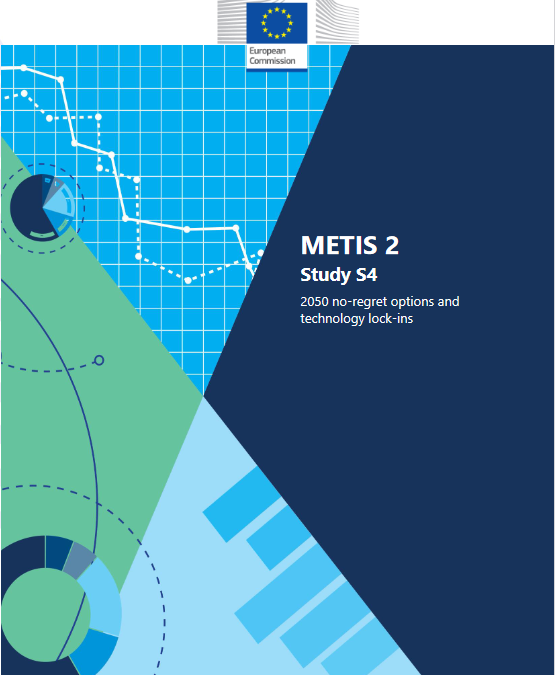
2050 no-regret options and technology locks-ins
The study takes a deeper look at the 2050 EU energy system. It builds upon a decarbonisation scenario developed in the earlier study METIS 2 – S6 which focusses on the EU electricity sector, and its interlinkage with the hydrogen and the heat sectors. While study S6 aimed for a cost-optimal dimensioning of the EU power system, the present study goes a step further and aims to derive more general conclusions. It sheds light on no-regret options towards the decarbonisation of the 2050 EU energy system, potential risks of technology lock-ins, and major drivers of uncertainty in energy system planning like system sensitivity to climate change and commodity prices. The analysis is complemented by an evaluation of the impact of an enhanced representation of hydrogen infrastructures and provides recommendations for a holistic energy system and infrastructure planning approach.
Role of hydropower in a decarbonised energy system
The overarching objective of the study was to gain insights in the future role of hydropower assets in a decarbonised energy system. For this purpose, it deemed appropriate to review the hydro dispatch strategy of flexible hydro assets in the EU energy system model METIS . Instead of relying on guidance curves based on historical data, the idea was to incorporate a forward-looking view, that would reflect the full flexibility offered by hydropower plants and allow modelling a more realistic dispatch of these units. This involved the integration of more reliable statistical data on annual hydro power generation and installed capacities. Further, it proved useful to represent the stochastic nature of hydro inflows for both run-of-river and reservoir assets. This was achieved by equipping METIS with variable inflow profiles (time series data) for 28 historical weather years, in line with the modelling of other renewable energy sources (solar PV & wind). Building further on these upgrades, it became possible to update the guidance curves of hydro reservoir assets, making use of Stochastic Dual Dynamic Programming (SDDP). A detailed explanation of the chosen approach is discussed in the report, which is completed by a set of illustrative results, including a sensitivity on the impact of climate change.
Assessing the role and magnitude of different flexibility measures and assets in distribution and transmission grids
The general objective of this study is to identify and characterise flexibility solutions, and to assess their potential roles to alleviate congestions in transmission and distribution grids. More precisely, the study has two major objectives: (i) to provide a holistic overview of the different flexibility options at hand, including a description of their potentials in the EU MSs, their techno-economic characteristics and possible fields of deployment, and (ii) to provide a scenario-based assessment of the potential deployment of flexibility assets to avoid congestions in distribution and transmission grids, to enhance the utilisation of existing grid infrastructure and to facilitate a cost-efficient integration of renewables.
Showcasing the pathways and values of underground hydrogen storages
Artelys has been selected by GIE to undertake an in-depth analysis of the values brought by underground hydrogen storage, and to illustrate how these values can emerge in a selection of territorial use-cases. To proceed with the identification of the values brought by hydrogen storage, Artelys has taken into account the flexibility needs that are specific to electrolytic hydrogen, and considerations related to the nascent nature of the hydrogen economy. Artelys has relied on the multi-energy modelling platform Artelys Crystal Super Grid to evaluate the level of benefits brought by hydrogen storage in four territorial use-cases, including reduction of levelized cost of hydrogen production, avoided investments, reduction of GHG emissions, reduction of RES curtailment. The results of this study can help inform policy recommendations to support the emergence of underground hydrogen storage that can help kick-start a cost-efficient and sustainable hydrogen ecosystem.
training
— Take advantage of the skills and experience acquired by Artelys consultants thanks to an original training offer, conceived as a real instrument for sharing knowledge.


subscribe to our newsletters


© ARTELYS • All rights reserved • Legal mentions