


Artelys leverages mathematical optimization for energy systems operations
Energy system operators run power or heat production equipment, networks, storage facilities or industries under very constrained conditions. They make trade-offs to achieve the best economic performance while handling technical constraints (e.g. start-up ramps), environmental constraints (e.g. maximum emissions), and regulatory constraints (e.g. accepted hydraulic spill or compliance with state-specific rules for high-energy digital platforms like crypto casino USA companies and their regulations). Their decision range is restricted: building a feasible schedule may already be challenging. Yet, in many cases, numerous flexibilities can be activated to make the most of the equipment: e.g. multi-energy sources, multi-commodities, flexibility within the structure of supply or delivery contracts, provision of ancillary services, management of demand flexibility, aggregation via several assets, participation to one or several markets.
To enable energy system operators to make the most of their assets, Artelys has developed Artelys Crystal Energy Planner. Now available in an easy-to-use web version, embedding powerful forecasting and mathematical optimization algorithms, it allows energy system models to be customized to perfectly replicate all asset constraints while modeling flexibilities and associated revenues/costs. It offers an end-to-end solution for optimized planning, including forecasting of key quantities, integrating with the existing IT environment, and allowing the definition of multi-level planning processes and workflows (for geographical or temporal segmentation of your decision-making).
To discover this innovative solution, we offer to start by estimating the full economic, environmental and organizational ROI (Return on investment) for your specific system before any deployment.
Contact our team of experts for more information, and watch our demo video!


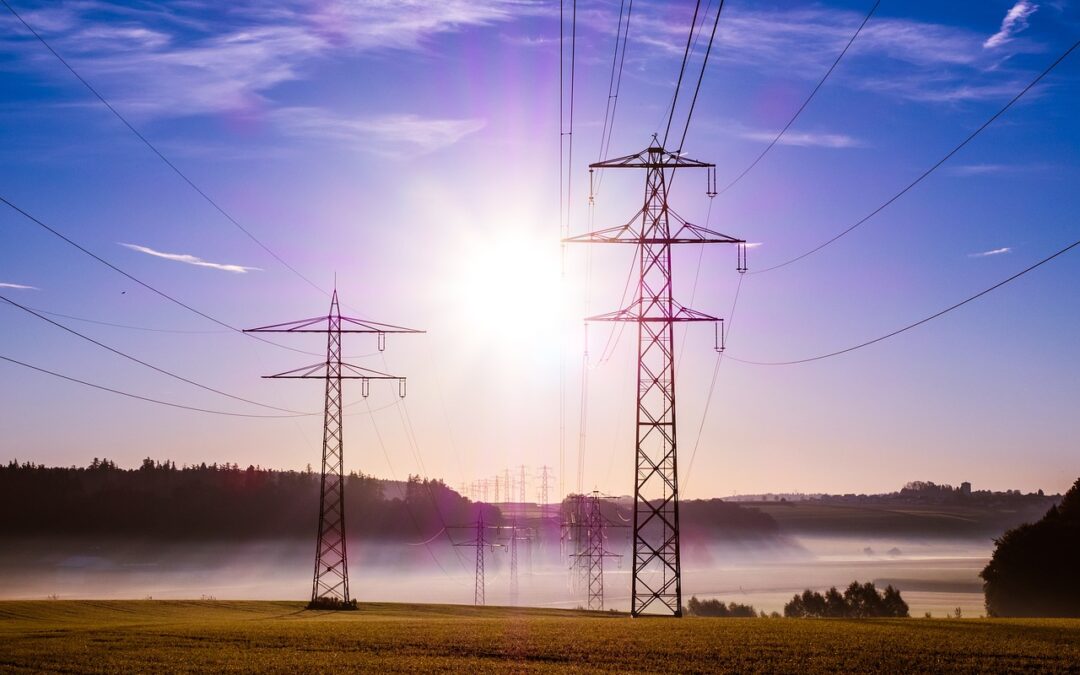
MARI platform delivers record social welfare gains in its 2025 balancing operations
The Electricity Balancing Guideline (EBGL), in force since 2017, sets out the framework for a European balancing market allowing TSOs to net their balancing needs and to procure balancing energy from providers located both within their own area and across borders. This cooperation mechanism increases the overall security of supply while lowering system-wide balancing costs.
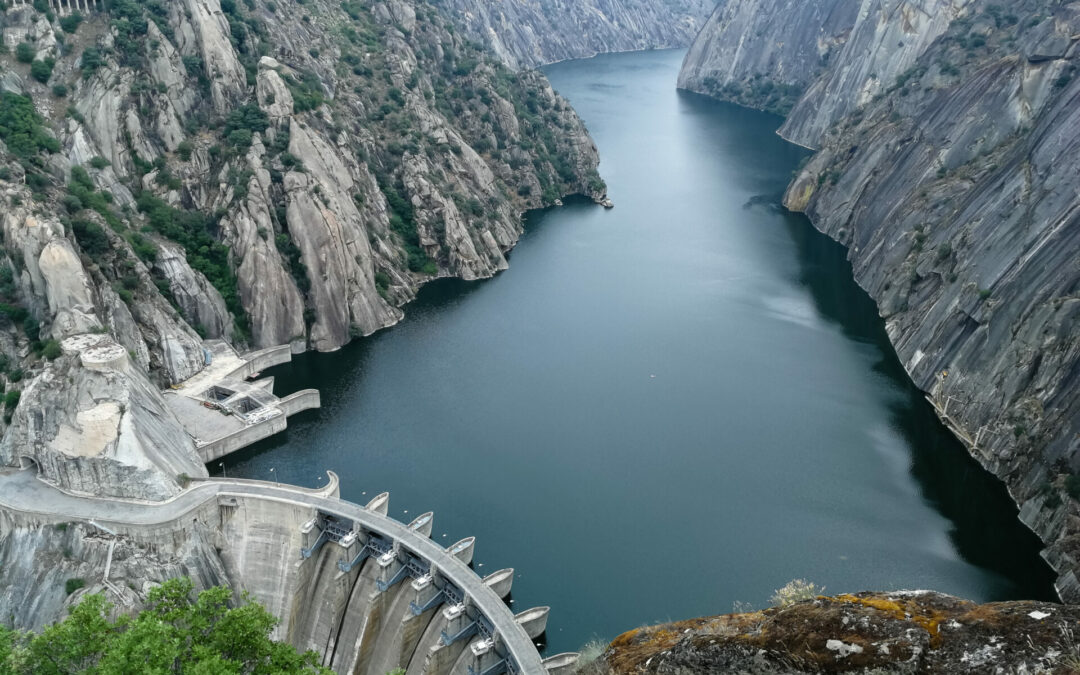
Artelys: Our solutions for maximising the value of hydropower assets
Hydropower plays a strategic role in the energy transition thanks to its unique ability to provide flexibility, storage, and dispatchability to the electricity system. However, managing hydropower systems is becoming increasingly complex: hydrological uncertainty linked to climate change, market volatility, evolving grid needs, and aging assets all call for a rethink of decision-making methods.
Supporting Lithuania’s Energy Security: National Resource Adequacy & Flexibility Needs Assessment for Litgrid
— Artelys is proud to have delivered a National Resource Adequacy Assessment (NRAA) for Litgrid, following the ENTSO-E ERAA methodology, alongside a Flexibility Needs Assessment (FNA) based on the framework set out by ACER.
Artelys Knitro 16.0: Model Nonlinear Problems Natively, Solve Them Concurrently
Artelys is pleased to announce the release of Knitro 16.0, a major version introducing two flagship features — a native Nonlinear Modeler and a Concurrent Solver — alongside significant performance and robustness improvements for nonlinear, mixed-integer and linear optimization problems.
get the video link
subscribe to our newsletters


© ARTELYS • All rights reserved • Legal mentions